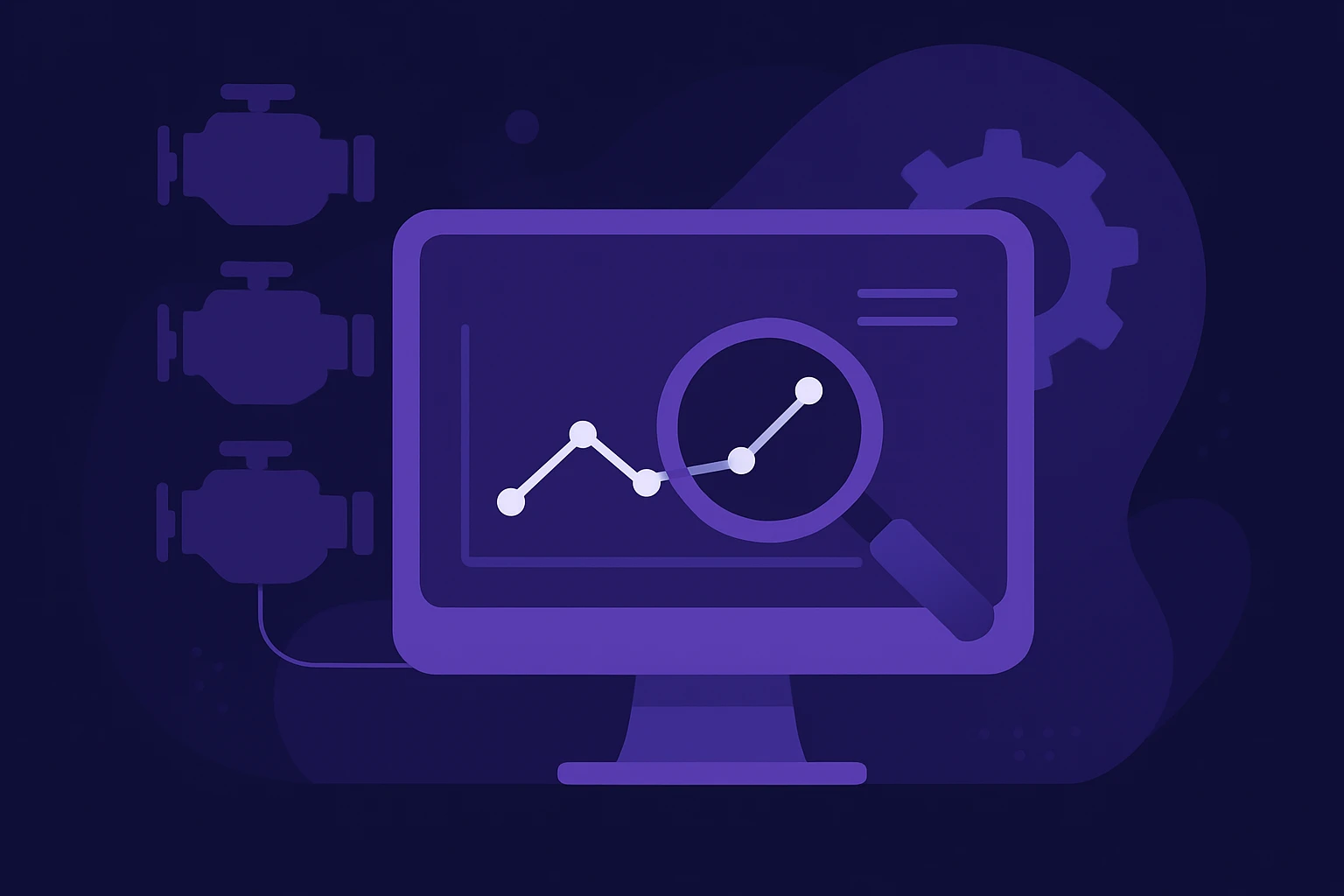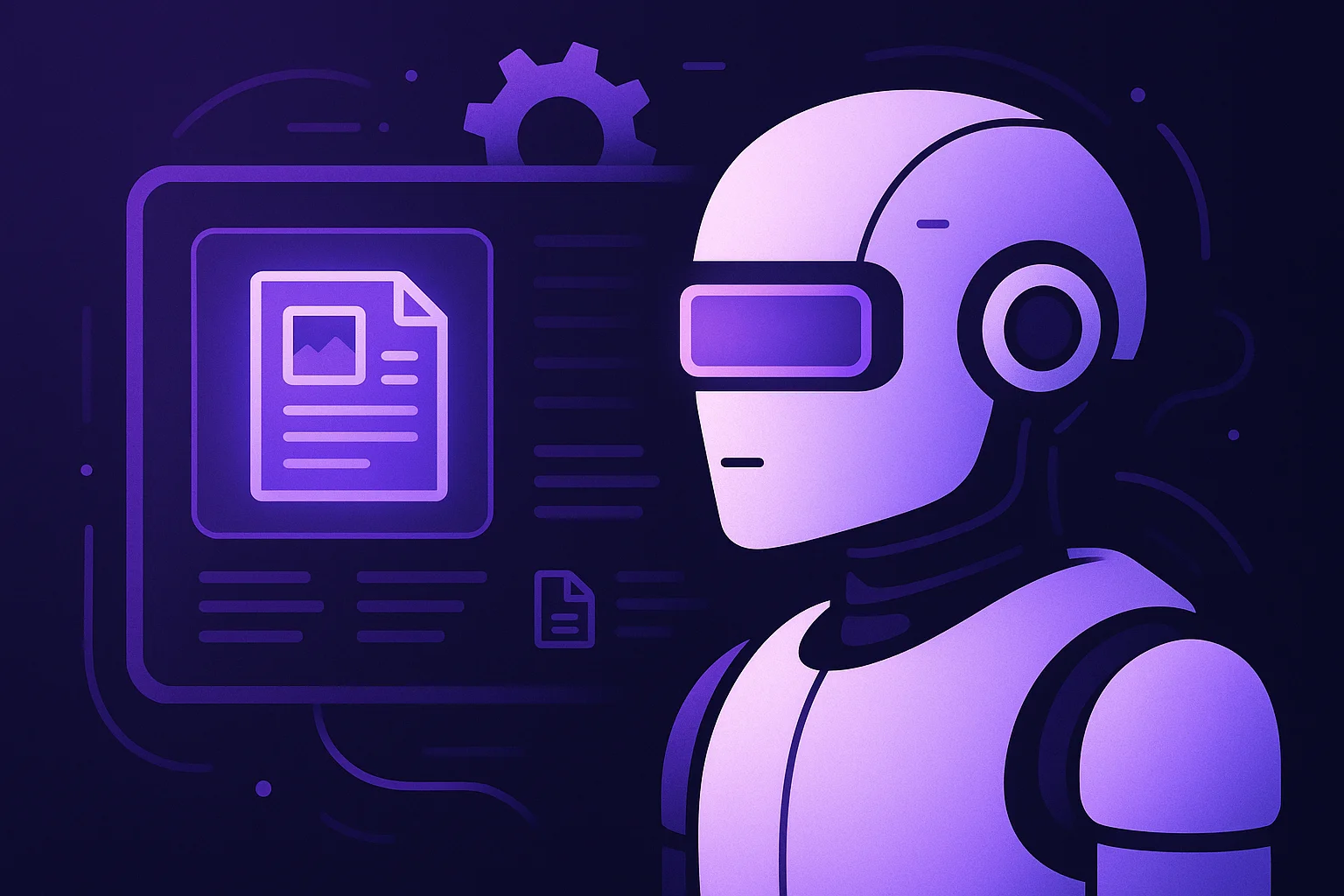
The emergence of Agentic AI is fundamentally shifting the landscape of blog automation and digital content creation. Unlike traditional AI systems, which require significant human intervention to turn insights into actionable outcomes, Agentic AI is designed to autonomously execute tasks, adapt strategies in real-time, and integrate seamlessly into existing workflows. This evolution does not merely enhance efficiency, it redefines the very role of AI in the creative process, bridging the gap between insight generation and execution.
From drafting legal contracts to managing corporate social media, Agentic AI is already delivering remarkable productivity gains across industries. Its capacity for independent decision-making, contextual understanding, and proactive operations is allowing organizations to operate at unprecedented scales and speeds. As newsrooms, retailers, and public sector institutions deploy these intelligent agents, the future of blog automation, and content creation at large, looks set for a transformation unlike any before.
The Rise of Agentic AI in Content Creation
Agentic AI represents a leap forward from traditional, rules-based automation. In the realm of blog automation, these agents can independently monitor trends, draft articles, and optimize publishing schedules without continuous human intervention. News organizations such as The Washington Post and BBC have reported that agentic AI systems enable a 40% faster turnaround from news tip-off to publishable draft, especially for data-driven stories.
This acceleration is not limited to speed alone. Agentic AI agents can analyze vast datasets, spot emerging topics, and maintain a consistent editorial voice, allowing human writers to focus on high-value, creative work. By automating routine editorial tasks, organizations can deliver more timely and relevant content to their audiences.
Moreover, the ability of Agentic AI to learn from user engagement and feedback ensures ongoing improvements in content quality and relevance. This feedback loop, combined with the scalability of autonomous agents, is opening new frontiers for publishers seeking both efficiency and audience growth.
Bridging the Execution Gap in Blog Automation
One of the most significant challenges in previous AI-driven content automation was the so-called "execution gap." Studies indicate that as much as 73% of AI-generated insights failed to result in practical action. Agentic AI addresses this by moving beyond mere suggestion to actual autonomous task completion, drafting, editing, publishing, and even promoting content based on real-time analytics.
This paradigm shift reduces administrative over and empowers content teams to operate with greater agility. For instance, agentic AI can autonomously manage content calendars, respond to audience comments, and adapt distribution strategies as trends evolve. Human oversight remains crucial, but the bulk of manual, repetitive work is seamlessly handled by intelligent agents.
Beyond efficiency, this approach strengthens the alignment between editorial vision and operational execution. By connecting insight with action, Agentic AI ensures that digital content strategies are not only data-driven but also dynamically responsive to audience needs.
Boosting Engagement and Productivity
Agentic AI's impact extends beyond content creation into audience engagement and employee productivity. According to recent industry data, organizations utilizing agentic AI to manage over 200,000 corporate social media accounts have seen a threefold increase in audience engagement and a 52% reduction in manual workload. These agents adapt to audience preferences in real time, ensuring content remains relevant and interactive around the clock.
In parallel, companies deploying agentic AI coaches report a 38% increase in employee engagement scores. These AI-driven micro-interactions and personalized check-ins help maintain motivation and satisfaction, which traditional HR systems often struggle to provide at scale.
For customer support, agentic AI has delivered productivity gains of up to 15%, especially for less experienced workers, by autonomously resolving common issues and providing instant access to relevant information. This not only boosts employee morale but also enhances customer satisfaction, securing a competitive advantage for businesses embracing next-generation AI agents.
Scaling Automation: From Legal Drafting to Retail Forecasting
The versatility of agentic AI is evident in its widespread adoption across industries. In legal services, agentic AI tools authored or co-authored over 1 million contracts in the first five months of 2025, with a majority requiring minimal human edits. This automation is redefining the speed and consistency with which routine legal documents are produced.
In retail, giants like Walmart and Target leverage agentic AI to forecast demand with 29% higher accuracy than traditional models. By analyzing variables from historical sales to external market trends, these AI agents help reduce stockouts and overstock penalties, significantly optimizing supply chains.
Agentic AI's ability to run over 1 billion digital twin simulations annually in sectors like oil & gas and aerospace has resulted in global savings exceeding $15 billion. These simulations minimize downtime and enhance operational efficiency, demonstrating the profound impact of agentic AI on business process automation.
The Strategic Roadmap for Adopting Agentic AI
Transitioning to agentic AI requires more than just technological integration. Enterprises must consolidate organizational knowledge, ensure robust data quality, and prioritize context-driven learning over sheer training volume. Adopting open standards and seamless system integration further paves the way for scalable, sustainable deployment.
Clear goal-setting is crucial for maximizing the benefits of agentic AI. By defining precise objectives and success metrics, organizations can tailor AI agent behaviors to align with strategic priorities. This approach ensures that automation efforts remain focused on value creation rather than just efficiency gains.
Additionally, transparency, cost-effectiveness, and ethical governance are essential for broad adoption, especially in regulated environments like the public sector. Ensuring that agentic AI systems are deployed responsibly helps build trust among stakeholders and mitigates risks associated with autonomous decision-making.
Addressing Challenges: Data, Trust, and Human Oversight
Despite its potential, agentic AI faces significant hurdles. High-quality, unbiased data is the foundation of effective autonomous agents, and organizations must invest in robust data management practices to avoid pitfalls related to poor information retrieval or context misunderstanding.
Another key challenge is trust. As AI agents gain autonomy, human stakeholders may worry about loss of control or transparency. To address this, best practices include maintaining human-in-the-loop oversight, documenting decision-making processes, and regularly evaluating outcomes against both technical and human-centered metrics.
Recent systematic reviews highlight an evaluation imbalance in agentic AI deployments, with technical performance often prioritized over safety and user experience. For agentic AI to fulfill its promise in blog automation and beyond, organizations must balance efficiency with ethical, human-centric evaluation and risk management strategies.
The Future of Blog Automation: A New AI Paradigm
Agentic AI is ushering in a new era of business process development, where modular, intelligent agents work collaboratively toward organizational goals. In the context of blog automation, this means not only faster and more consistent content production but also the ability to adapt to shifting market dynamics and audience preferences autonomously.
Forecasts suggest that within the next decade, agentic AI will automate up to 70% of office tasks, including much of the routine content creation and distribution work that currently demands substantial human resources. As AI agents evolve from co-pilots to fully autonomous systems, content teams will be empowered to focus on creativity, strategy, and innovation.
Ultimately, embracing agentic AI positions organizations at the forefront of digital transformation. With the right balance of automation, oversight, and ethical governance, businesses can redefine what is possible in blog automation, setting new standards for productivity, engagement, and competitive advantage.
In conclusion, agentic AI is not just an incremental improvement in blog automation, it is a foundational shift that reimagines how content is created, managed, and optimized. By bridging the gap between insight and execution, these intelligent agents unlock new levels of efficiency, creativity, and strategic agility across industries.
As organizations continue to navigate the challenges of adoption, the potential rewards, from faster turnaround times and higher engagement to significant cost savings, underscore the transformative power of agentic AI. The future of blogging and digital content creation lies in harnessing this new wave of autonomous intelligence, charting a path toward smarter, more responsive, and truly agentic automation.