

The digital landscape is witnessing a seismic shift as artificial intelligence evolves from passive information retrieval to active task execution. For years, users have relied on search engines and chatbots to gather data, compare products, and read reviews, but the final step of purchasing always required navigating away to a separate website or application. This fragmentation created friction in the user journey, often leading to abandoned carts and a disjointed experience that failed to capitalize on the immediacy of consumer intent.
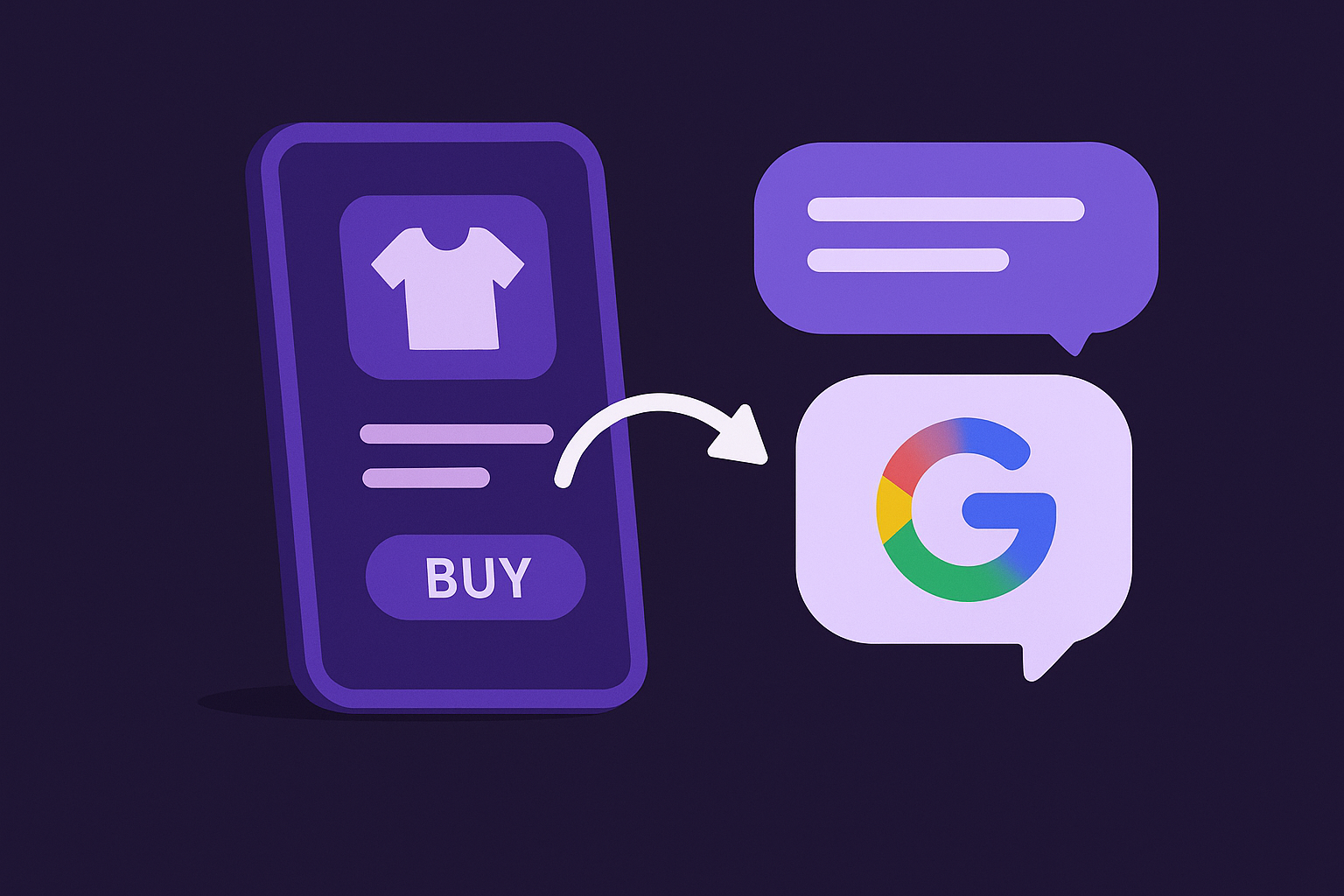
With the latest advancements in generative AI, specifically within the Google Gemini ecosystem, this barrier is finally being dismantled. AI agents are now capable of executing complex workflows, including the ability to enable secure checkout processes directly within the chat interface. This development marks a pivotal moment in the history of e-commerce, transforming the AI assistant from a knowledgeable advisor into a capable concierge that can handle transactions from discovery to payment without ever leaving the conversation.
The evolution of conversational commerce
Conversational commerce has long been touted as the future of retail, but early iterations were often limited by rigid scripts and clunky interfaces. Early chatbots could answer basic FAQs or track an order, but they lacked the cognitive flexibility to understand complex user preferences or manage a full purchase cycle. Users frequently found themselves frustrated by dead ends, forcing them to revert to traditional browsing methods to complete their tasks.
The arrival of large language models like Gemini has fundamentally changed this dynamic by introducing deep semantic understanding and context retention. These advanced models can engage in natural, multi-turn conversations that mimic human interaction, allowing them to refine search criteria based on vague descriptions or evolving user needs. This intelligence serves as the foundation for a new generation of commerce where the conversation itself drives the transaction.
By integrating transactional capabilities, AI agents move beyond mere "blue links" and product suggestions. They bridge the gap between inspiration and acquisition, allowing a user to see a product they like and buy it instantly. This evolution signifies a move away from an intent-based search model to an action-based agentic model, where the AI is empowered to act on behalf of the user in the real world.
Mechanisms behind the checkout integration
Enabling a seamless checkout inside an AI interface requires a sophisticated orchestration of APIs and backend services. At the core of this functionality is the ability of the AI agent to interface directly with merchant inventory systems and payment gateways. When a user expresses the intent to buy, the agent calls upon specific tools to verify stock availability, retrieve pricing, and configure product options without the user needing to visit the retailer's site.
Security and authentication protocols play a critical role in this integrated architecture. To facilitate a purchase, the system leverages stored payment credentials, such as those found in Google Pay or other digital wallets, ensuring that sensitive financial data is not repeatedly exposed or manually entered. The agent acts as a secure intermediary, passing the necessary tokens to the payment processor while keeping the user within the safety of the chat environment.
Furthermore, the user interface adapts dynamically to present the checkout flow in a conversational manner. Instead of a traditional cart page, the agent might present a summary card containing the shipping details, total cost, and delivery estimate for final approval. This streamlined UI reduces the cognitive load on the user, turning a multi-step checkout form into a simple confirmation prompt that accelerates the path to purchase.
Streamlining the consumer journey
For the average consumer, the ability to check out via an AI agent removes significant friction from the online shopping experience. In a traditional scenario, finding a product involves searching, clicking through multiple links, dealing with pop-ups, creating new accounts, and navigating complex checkout forms. Each of these steps presents an opportunity for the user to lose interest or encounter a technical hurdle.
AI agents smooth over these rough edges by maintaining a continuous, personalized thread of interaction. If a user asks for a specific pair of running shoes, the agent can recommend the best option based on previous purchases, confirm the size, and process the payment in seconds. This immediacy caters to the modern consumer's desire for instant gratification and efficiency, effectively collapsing the marketing funnel into a single interaction.
Additionally, this technology allows for a highly personalized shopping assistance that feels more like a VIP service than a database query. The agent can remember distinct preferences, such as dietary restrictions for grocery orders or brand loyalties for fashion, and apply them automatically during the checkout process. This level of anticipation creates a superior user experience that builds trust and encourages repeat usage of the AI platform.
Implications for brands and retailers
The rise of agent-mediated checkout presents both a challenge and a massive opportunity for retailers. Brands must now optimize their digital presence not just for human eyes, but for AI interpretation. This means ensuring that product data, inventory levels, and pricing structures are accessible via APIs that AI agents can query and interact with in real-time.
This shift also opens up a new direct-to-consumer channel that bypasses traditional marketplaces and advertising models. Instead of fighting for placement on a crowded search results page, brands can focus on becoming the preferred recommendation of the AI. Retailers who integrate their checkout flows with these major AI ecosystems stand to gain access to high-intent buyers who are ready to purchase immediately.
However, this new paradigm requires brands to rethink their customer relationship strategies. Since the transaction happens within the AI interface, the direct visual connection with the brand's website is minimized. Retailers will need to find new ways to convey their brand identity and value proposition through the data they provide to the agent, ensuring that the post-purchase experience remains memorable and distinct.
Addressing trust and security concerns
As with any technology involving financial transactions, trust is the currency of adoption. Users need absolute assurance that their interactions with AI agents are secure and that their money is going to the right place. The system must provide transparent confirmations, clearly identifying who the seller is and offering robust dispute resolution mechanisms in case something goes wrong.
Privacy of personal data is another paramount concern when AI agents handle purchases. Consumers are rightfully wary of how their purchase history might be used to train future models or target them with ads. It is essential for platforms like Gemini to establish clear boundaries and privacy controls, giving users the option to decouple their transaction data from the model's learning processes.
To build this trust, the checkout process typically incorporates human-in-the-loop verification steps. Before a charge is finalized, the agent presents a clear summary and requires an explicit biometric or password confirmation. This "conscious friction" is necessary to prevent accidental purchases and to reassure the user that they remain in full control of their wallet, despite the autonomy of the AI.
The integration of checkout capabilities into AI agents represents a fundamental transformation in how we interact with the digital economy. We are moving away from a world of static pages and manual inputs toward an era of fluid, conversational commerce where intent translates instantly into action. This technology promises to save time, reduce effort, and deliver a level of personalization that was previously impossible to achieve at scale.
As these capabilities mature and become ubiquitous, the boundaries between searching, browsing, and buying will completely dissolve. The AI agent will become the primary interface for our economic lives, acting as a trusted steward that manages the logistics of consumption so that we can focus on the enjoyment of the result. While challenges regarding privacy and brand visibility remain, the trajectory is clear: the future of shopping is conversational, and it is already here.