

Managing a content calendar can be overwhelming, especially as the demand for fresh, engaging material continues to grow. The rise of artificial intelligence (AI) has introduced new possibilities for streamlining this process, making it easier than ever to plan, schedule, and optimize content across multiple platforms.
AI-powered content calendars not only automate repetitive tasks but also offer data-driven insights that enhance your overall strategy. By leveraging these tools, marketers, bloggers, and businesses can stay a of trends, ensure consistency, and drive better engagement with their target audiences.
What is an AI Content Calendar?
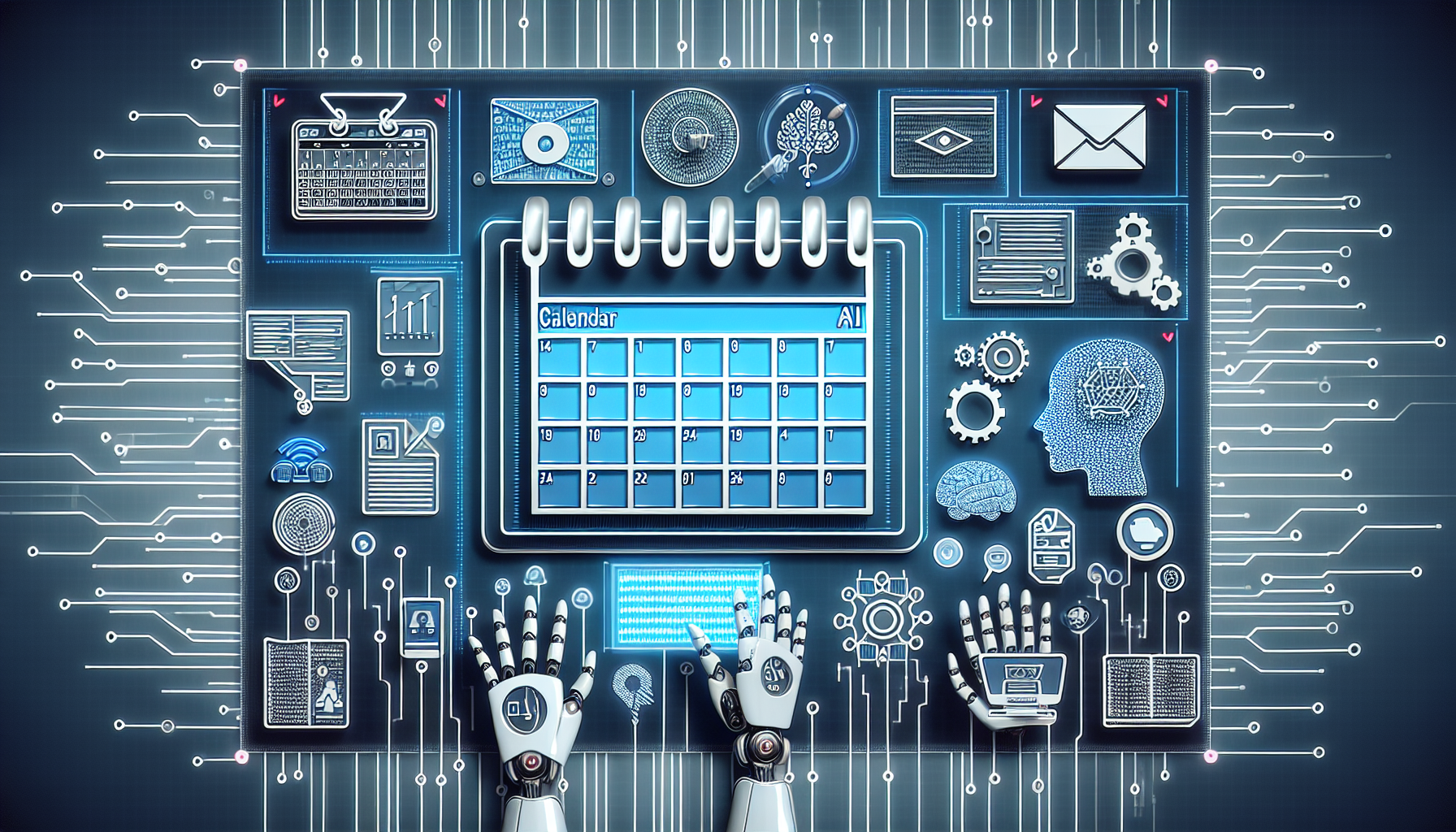
An AI content calendar is a digital tool that utilizes artificial intelligence to help users organize, schedule, and manage content publishing more efficiently. Unlike traditional calendars, AI content calendars can analyze data, predict optimal posting times, and suggest relevant topics based on audience behavior.
These advanced systems integrate machine learning algorithms to learn from past performance, enabling continuous improvement in content planning. They can automatically flag gaps in your schedule, identify underperforming content, and recommend adjustments to maximize reach and engagement.
As a result, AI content calendars are becoming indispensable for marketing teams looking to improve productivity and deliver tailored content that resonates with their audience.
The Benefits of Using AI for Content Planning
One of the key advantages of incorporating AI into your content calendar is the ability to save time on manual tasks. Automatic scheduling, topic suggestion, and post sequencing ensure that your team can focus more on creativity and strategy rather than administrative duties.
Another compelling benefit is enhanced personalization. AI tools process user data and engagement patterns to recommend content that is likely to perform well with specific audience segments. This increases the chances of higher engagement and conversions.
Furthermore, AI-powered analytics provide actionable insights, helping marketers continuously refine their content strategy. With detailed reports on what works and what doesn’t, it becomes easier to pivot and experiment with new formats or posting frequencies.
How AI Suggests Content Topics
AI content calendars analyze vast amounts of data to suggest relevant and trending topics. This analysis includes social media trends, audience interactions, competitor strategies, and even search engine keyword data.
By identifying themes that resonate with your target demographic, AI-driven tools reduce the guesswork involved in content creation. They can forecast emerging interests and ensure you are always one step a of the competition.
This capability allows teams to create timely, impactful content that addresses current conversations within their industry, thereby enhancing authority and relevance.
Optimizing Publishing Schedules with AI
Determining the best time to publish content is crucial for maximizing visibility and engagement. AI content calendars utilize historical data and real-time analytics to predict optimal posting times for each platform.
These predictions are based on audience activity patterns, time zones, and platform-specific algorithms. As these factors change, AI adapts and updates the schedule accordingly, ensuring content is always posted at the right moment.
This level of precision leads to increased reach, better user interaction, and ultimately, stronger brand loyalty.
Collaboration and Integration Features
Modern AI content calendars are designed to facilitate seamless collaboration among team members. They typically offer integration with various project management tools, messaging apps, and social media platforms.
With central dashboards, teams can view upcoming posts, assign responsibilities, and monitor progress in real-time. Notifications and automated reminders keep everyone aligned and informed, reducing the chances of missed deadlines.
Integrating other AI-based tools, such as image generators or grammar checkers, further streamlines the content creation process, resulting in higher-quality outputs with less manual effort.
Measuring Performance and Continuous Improvement
After publishing, AI continues to play a vital role by tracking the performance of each piece of content. It aggregates data such as likes, shares, comments, and click-through rates to assess effectiveness.
Dashboards with AI-driven analytics help identify trends, uncover strengths, and highlight areas for improvement. Actionable recommendations are made automatically, allowing for quick iteration and adaptation.
Continuous learning ensures that your content strategy evolves based on what works, leading to sustained growth and improved results over time.
Incorporating an AI content calendar into your workflow revolutionizes the way you plan and publish digital content. By automating routine tasks, offering intelligent suggestions, and delivering valuable data-driven insights, these tools empower teams to work smarter, not harder.
As the digital landscape evolves, those who embrace AI-powered content planning will find it easier to stay organized, respond to trends, and engage their audiences effectively. The future of content marketing lies in harnessing technology to achieve both creativity and efficiency.