

In the digital age, online visibility is crucial for businesses, creators, and organizations. Traditionally, Search Engine Optimization (SEO) has served as the backbone of web content strategies. However, the rise of generative AI has paved the way for a new paradigm: Generative Engine Optimization (GEO). Understanding the differences between SEO and GEO is essential for anyone who wants to stay a in the rapidly evolving online landscape.
This article explores SEO and GEO, highlighting their respective methods, goals, and impacts. By delving into these two approaches, readers can make informed decisions about how to optimize their online presence for both search engines and generative AI models.
Understanding Traditional SEO
Search Engine Optimization, or SEO, is a set of techniques used to enhance a website’s ranking on search engine results pages (SERPs). It involves optimizing elements such as keywords, meta tags, and backlinks to improve relevance and authority in the eyes of search algorithms like those of Google or Bing.
SEO focuses on both on-page and off-page strategies. On-page SEO refers to tactics applied directly to the website, including improving page speed, structuring ings, and providing high-quality content. Off-page SEO emphasizes building credibility through backlinks and social signals from other websites and platforms.
Overall, traditional SEO is about understanding how search engines index and rank content, then tailoring web pages to meet those criteria. This method has been a foundation of digital marketing for over two decades.
The Rise of Generative Engine Optimization (GEO)
Generative Engine Optimization, or GEO, emerges as generative AI tools like ChatGPT and Google Gemini become mainstream sources of information. Instead of focusing on search engines, GEO tailors content so that AI models can easily understand, retrieve, and present it when users ask questions.
GEO takes into account how AI models are trained, which sources they reference, and how they synthesize answers. Unlike SEO, which relies largely on code and metadata optimized for crawling bots, GEO emphasizes clarity, factual accuracy, and context-rich content designed for AI parsing.
This new approach is still developing, but it promises to change how organizations produce content if they wish to be quoted or recommended by AI-powered interfaces rather than just ranked in search listings.
Key Differences Between SEO and GEO
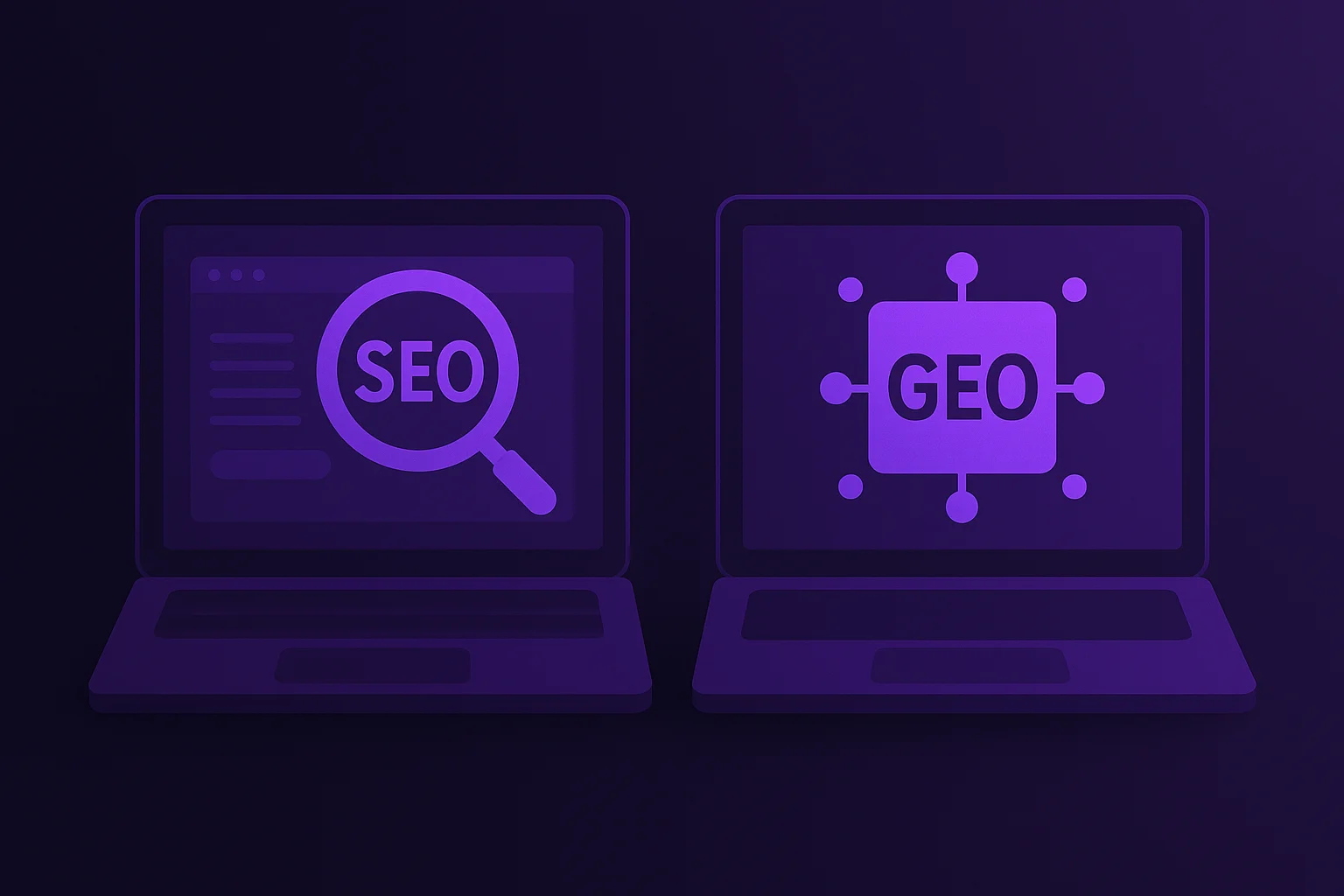
While both SEO and GEO seek to increase visibility, their audiences and optimization targets differ fundamentally. SEO is built around algorithms that rank websites, while GEO is centered on how AI processes and relays information to users.
For SEO, structured data, keyword density, and technical site performance hold significant weight. In contrast, GEO favors concise explanations, trustworthy sources, and answers that AI can easily extract and repurpose in conversation.
The metrics for success in SEO vs. GEO also diverge. SEO tracks rankings, impressions, and clicks from SERPs; GEO might measure the frequency with which a brand’s information is cited by AI systems or used in response generation.
Challenges and Opportunities
Adapting content for both SEO and GEO presents unique challenges. For one, AI models may reference information differently than search engines do, instead of linking out, they generate summaries or direct answers, sometimes without attribution.
This creates opportunities for brands to become recognized sources if they structure content clearly and authoritatively. However, it also means traditional traffic metrics may not capture the full impact, demanding new analytics and tracking methods.
On the flip side, an effective GEO strategy can help organizations reach audiences through novel channels, increasing influence beyond search engines to AI-driven platforms and chatbots.
Best Practices for Balancing SEO and GEO
To maximize reach, content creators should aim for synergy between SEO and GEO. This starts with producing accurate, valuable, and well-organized content that meets both human and algorithmic expectations.
Strategically, this means using clear language, maintaining solid sources, and applying structured data where possible. Creators should also monitor how their content appears in both search engines and generative AI outputs, adapting as needed.
Keeping up with advancements in both fields is key. As AI models evolve and search algorithms become more sophisticated, flexible and forward-thinking optimization strategies will be essential for visibility and trust.
The Future of Web Content Optimization
The interplay between SEO and GEO is likely to intensify as generative AI becomes more integrated into everyday information retrieval. Organizations that embrace both approaches stand to benefit the most from future shifts in online behaviors.
Tools that bridge the gap, analyzing both SERPs and AI-generated answers, are expected to emerge, helping marketers fine-tune their content for maximum exposure wherever users seek information.
Ultimately, staying proactive and informed will ensure that content remains accessible, discoverable, and authoritative in both search engines and AI-generated responses.
As the landscape of digital discovery evolves, the distinctions between SEO and GEO will continue to blur. Both strategies offer value, and the best results often come from integrating their strengths. Understanding their differences, and learning to optimize for both, will be vital skills for future content leaders.
By preparing for a world in which AI and search engines coexist as gatekeepers to knowledge, creators and brands can ensure sustained online relevance and influence, regardless of how users choose to find information.