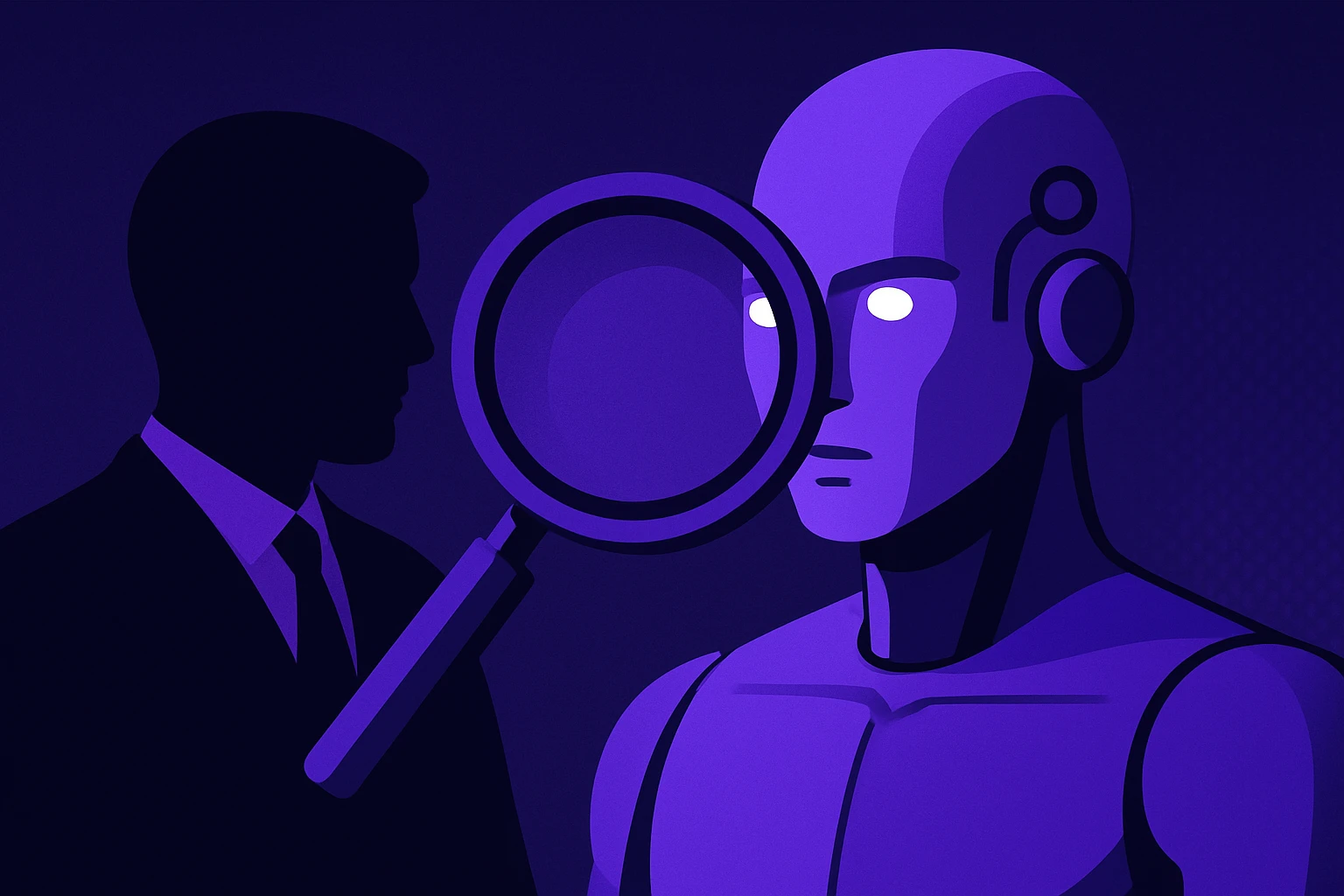


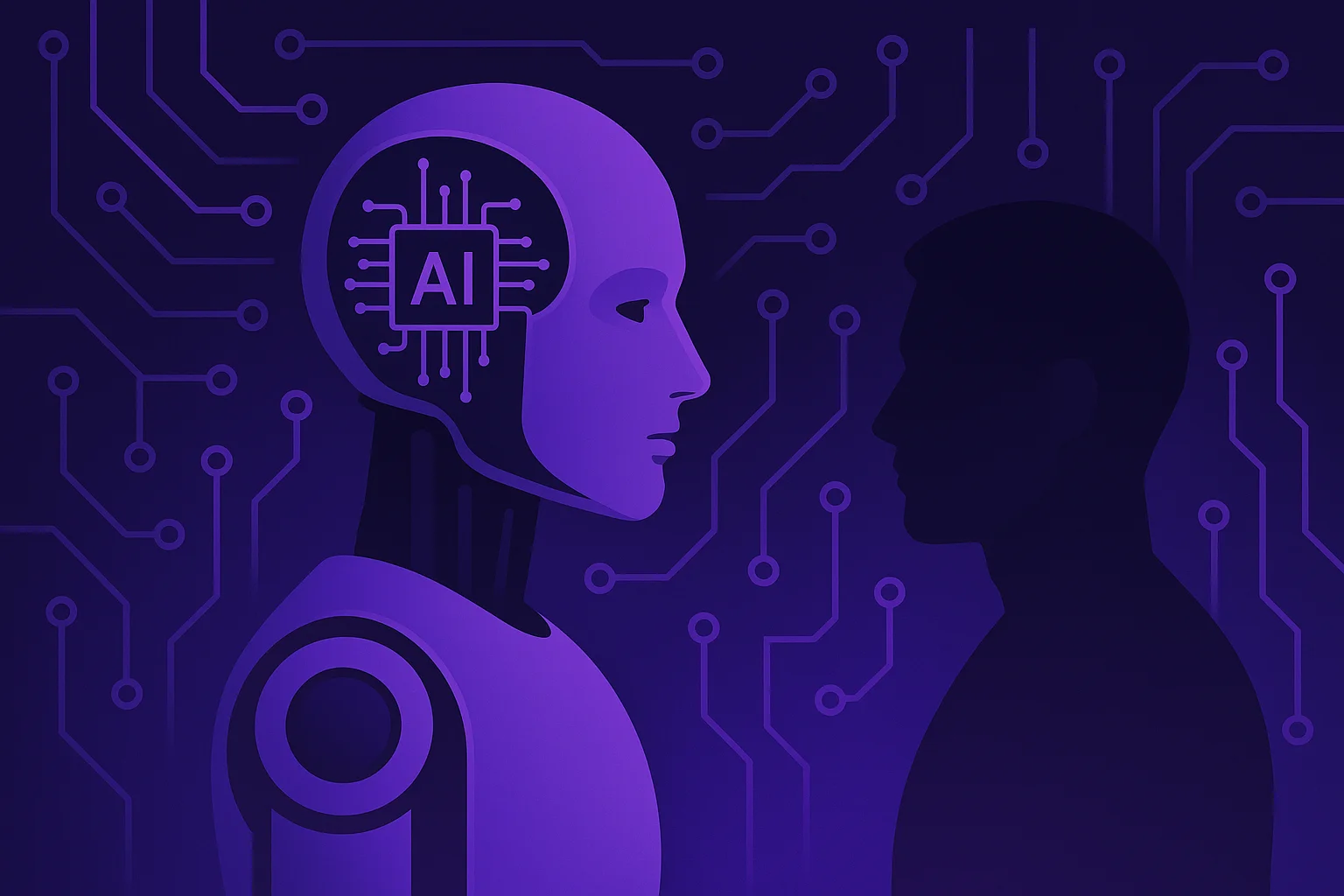
Artificial intelligence, once a realm of science fiction, has rapidly transitioned into a fundamental force reshaping nearly every facet of modern society. From the algorithms that curate our online experiences to the advanced systems driving medical breakthroughs and autonomous vehicles, AI’s pervasive influence is undeniable. Its accelerated development promises unprecedented efficiencies and capabilities, yet it simultaneously introduces complex challenges that demand careful consideration.
The current trajectory of artificial intelligence suggests a future where human and machine intelligences become increasingly intertwined, leading to profound societal transformations. This evolving landscape necessitates a deeper understanding of AI's multifaceted impact, encompassing economic shifts, ethical dilemmas, privacy concerns, and revolutionary advancements across various sectors. As AI continues to mature, its integration into our daily lives will only intensify, making its study and thoughtful development paramount for a beneficial future.
AI in the Workplace: Automation and Job Transformation
The rise of artificial intelligence is fundamentally altering the global labor market, prompting both excitement and apprehension. AI-powered automation is streamlining repetitive and data-intensive tasks, from manufacturing and logistics to customer service and administrative functions. This efficiency gain can lead to increased productivity and economic growth for businesses capable of integrating these technologies effectively.
While some fear widespread job displacement, the reality is more nuanced. AI is not only automating existing roles but also creating entirely new ones, particularly in areas like AI development, maintenance, ethics, and data science. The demand for skills that complement AI, such as critical thinking, creativity, and emotional intelligence, is expected to surge, necessitating a significant shift in education and workforce training programs.
Ultimately, AI’s impact on employment is likely to involve a transformation rather than a complete replacement. Many jobs will evolve, requiring humans to work alongside artificial intelligence systems, leveraging their unique human capabilities to supervise, manage, and innovate. This collaborative future emphasizes the importance of lifelong learning and adaptability for the workforce.
AI in Healthcare: Diagnostics and Personalized Medicine
Artificial intelligence is revolutionizing the healthcare sector, offering groundbreaking solutions that enhance diagnostic accuracy, personalize treatments, and accelerate drug discovery. Machine learning algorithms can analyze vast amounts of medical data, including patient records, imaging scans, and genomic information, to identify patterns and anomalies that might be imperceptible to the human eye, leading to earlier and more precise disease detection.
Beyond diagnostics, AI is paving the way for highly personalized medicine. By leveraging a patient's genetic makeup, lifestyle, and medical history, AI systems can predict individual responses to treatments, helping clinicians tailor therapies for optimal outcomes and minimize adverse effects. This capability holds immense promise for conditions ranging from cancer to rare genetic disorders.
Furthermore, AI significantly speeds up the drug development pipeline. It can simulate molecular interactions, identify potential drug candidates, and even design new compounds, dramatically reducing the time and cost associated with bringing new medicines to market. This acceleration has the potential to address urgent global health challenges more effectively.
Ethical Considerations and Bias in AI
As artificial intelligence systems become more autonomous and influential, profound ethical questions arise concerning fairness, accountability, and transparency. One of the most significant challenges is algorithmic bias, where AI systems can inadvertently perpetuate or even amplify existing societal prejudices. This occurs when the data used to train AI models reflects historical biases, leading to discriminatory outcomes in areas such as hiring, lending, and criminal justice.
The issue of accountability also looms large. When an AI system makes a critical decision, especially one with significant human impact, determining who is responsible for errors or unintended consequences, whether it's the developer, the deployer, or the AI itself, becomes complex. Establishing clear legal and ethical frameworks is crucial for navigating these intricate scenarios.
Ensuring transparency in AI decision-making is another critical ethical imperative. Many advanced AI models, particularly deep learning networks, operate as “black boxes,” making it difficult to understand how they arrive at their conclusions. For AI to be trusted and widely adopted, there is a growing need for explainable AI (XAI) techniques that can shed light on the reasoning behind an algorithm's output.
AI and Privacy: Data Collection and Surveillance
The efficacy of artificial intelligence heavily relies on access to vast quantities of data, leading to significant implications for individual privacy and the potential for increased surveillance. As AI systems are integrated into everything from smart cities to personal devices, an unprecedented amount of personal information is collected, processed, and analyzed, often without explicit user awareness of its full scope of use.
Concerns about data security and potential misuse are paramount. Breaches of large datasets can expose sensitive personal details, leading to identity theft or other harms. Moreover, the aggregation of seemingly innocuous data points can create detailed profiles of individuals, raising questions about predictive policing, targeted advertising, and the erosion of personal anonymity in an increasingly data-driven world.
The balance between leveraging AI’s benefits and protecting privacy rights is a critical societal challenge. Regulatory frameworks like GDPR and CCPA aim to give individuals more control over their data, but the rapid evolution of AI technology often outpaces these legislative efforts. Developing robust privacy-preserving AI techniques, such as federated learning and differential privacy, is essential for a future where AI and privacy can coexist responsibly.
AI in Education: Personalized Learning and Future Skills
Artificial intelligence is poised to transform the educational landscape, moving beyond traditional one-size-fits-all approaches to offer highly personalized learning experiences. AI-powered platforms can assess a student's individual learning style, pace, and knowledge gaps, then adapt content and teaching methods accordingly. This tailored approach can enhance engagement and improve learning outcomes for diverse student populations.
Beyond personalization, AI tools are automating administrative tasks for educators, freeing up their time to focus more on direct student interaction and mentorship. AI can assist with grading, provide instant feedback, and identify students who may be struggling, allowing teachers to intervene proactively and offer targeted support.
Moreover, AI is shaping the skills necessary for the future workforce. As automation handles more routine tasks, educational institutions are increasingly focusing on fostering uniquely human attributes like critical thinking, creativity, problem-solving, and adaptability. Understanding AI concepts and ethical implications is also becoming a foundational literacy for students entering an AI-driven world.
The Future of Human-AI Interaction
As artificial intelligence becomes more sophisticated, the nature of human-AI interaction is rapidly evolving, moving beyond simple command-and-response systems to more intuitive and collaborative partnerships. Voice assistants, chatbots, and advanced recommendation engines are just the beginning of a future where AI interfaces are seamlessly integrated into our daily routines, anticipating needs and offering proactive support.
The development of more emotionally intelligent AI, capable of understanding and responding to human affect, promises even deeper levels of interaction. Such AI could provide more empathetic support in areas like mental health, elder care, and education, making technological interactions feel more natural and beneficial. However, this also raises questions about the blurring lines between human and artificial empathy.
Ultimately, the future success of society's integration with AI hinges on designing systems that augment human capabilities rather than replace them entirely. This involves creating AI that is not only intelligent but also user-centric, transparent, and aligned with human values. The ongoing co-evolution of humans and artificial intelligence will define new paradigms of work, leisure, and communication.
The profound impact of artificial intelligence on society is undeniable and continues to accelerate at an extraordinary pace. From revolutionizing industries and healthcare to fundamentally altering our concept of work and privacy, AI is a powerful catalyst for change. Its trajectory suggests a future where efficiency, personalization, and new forms of human-machine collaboration become the norm, promising unprecedented advancements across various domains.
However, realizing AI's full positive potential requires continuous vigilance and proactive measures. Addressing the ethical dilemmas, mitigating biases, safeguarding privacy, and ensuring equitable access to its benefits are critical challenges that humanity must collectively tackle. By fostering responsible innovation, promoting AI literacy, and engaging in thoughtful policy-making, society can harness artificial intelligence to build a more prosperous, intelligent, and equitable future for all.