AI content generator adds tamper-proof provenance
As generative AI moves from novelty to infrastructure, the question is no longer only whether a picture, clip, or audio file was made with AI. The more durable question is where that content came from, how it was produced, and whether its history can still be trusted after it travels across apps, pl...
Embed provenance into AI blog pipelines
As AI becomes a routine part of editorial operations, blog teams need better ways to document how posts, images, and supporting assets were created. One of the most practical answers is to embed provenance directly into AI blog pipelines, so origin, edits, and AI involvement are recorded from the st...
Rethink FAQ schema for AI citations
FAQ schema still matters, but the reason to use it is shifting. For years, teams implemented FAQ markup mainly to pursue rich results in search. Today, with AI assistants, research tools, and answer engines increasingly synthesizing information, the stronger use case is helping machines understand e...
White House stalls AI action
The White House’s approach to artificial intelligence is entering a more uncertain phase. While administration officials have spent months presenting AI as a top national priority, recent reporting suggests that a major executive action on AI oversight has been delayed by internal disputes. The resu...

Agentic AEO teams earn answer citations
Answer engines are changing what visibility means. Instead of rewarding brands only with a blue link and a ranking position, AI search systems increasingly respond with synthesized answers that include inline citations and source links. OpenAI says ChatGPT Search returns answers with inline citation...

OpenAI launches Daybreak cyber platform
OpenAI has officially entered a more visible phase of the cybersecurity market with the launch of Daybreak on May 11, 2026. Positioned as a platform for defenders rather than attackers, Daybreak is designed to help security teams find software vulnerabilities, validate fixes, analyze unfamiliar syst...
Marketing platforms add AEO dashboards
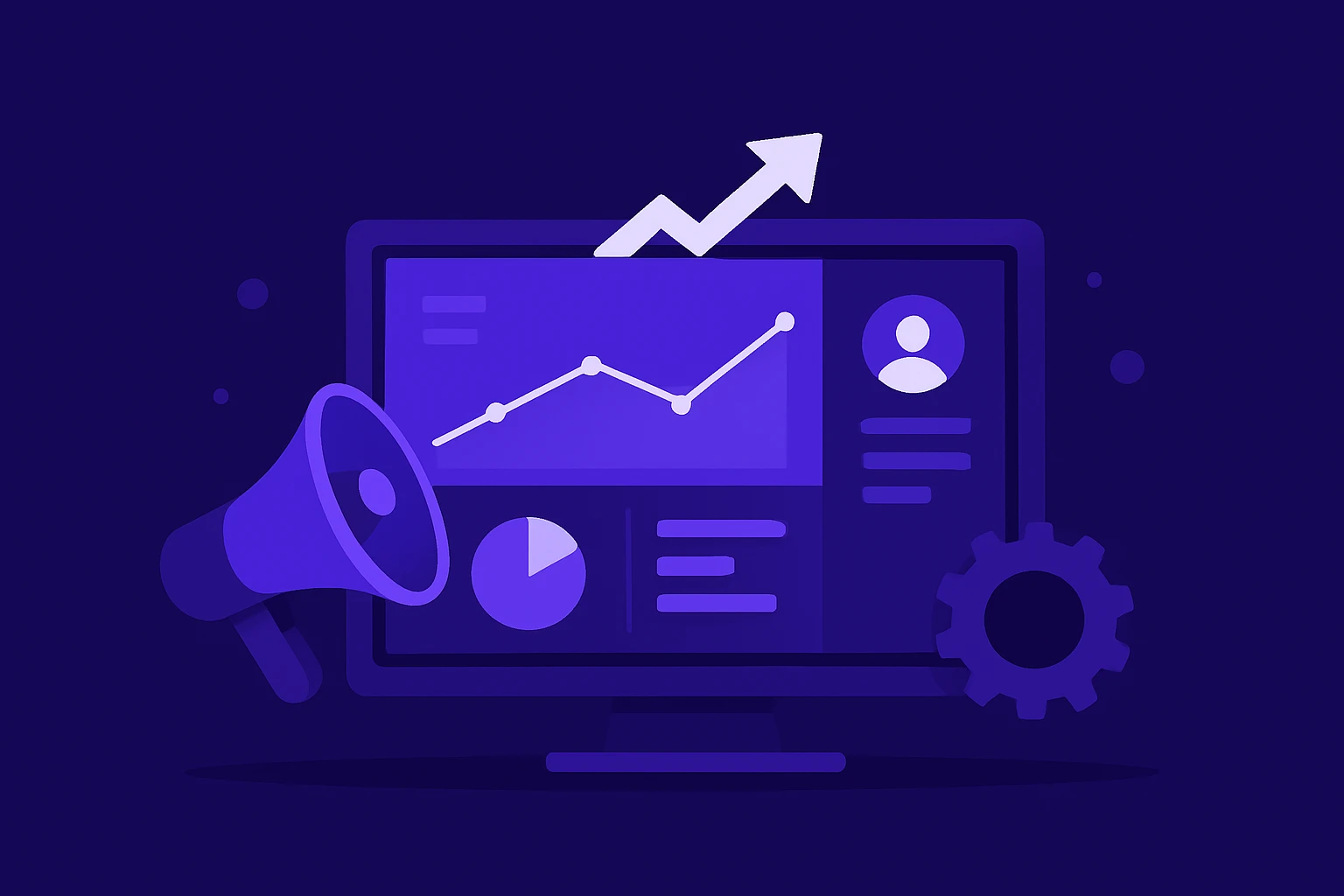
Marketing platforms are starting to treat AI-answer visibility as a core reporting category, and that shift is changing how teams measure digital performance. Instead of relying only on traffic, rankings, and conversions, marketers now want to know whether their brand appears inside responses genera...
Local AI content generator runs on-device
Local AI content generator runs on-device is no longer a futuristic concept reserved for research demos. It is becoming a practical software pattern for phones, tablets, and personal computers, where generation happens close to the user instead of being sent by default to a remote server. That shift...
Agent orchestration for AI blog workflows
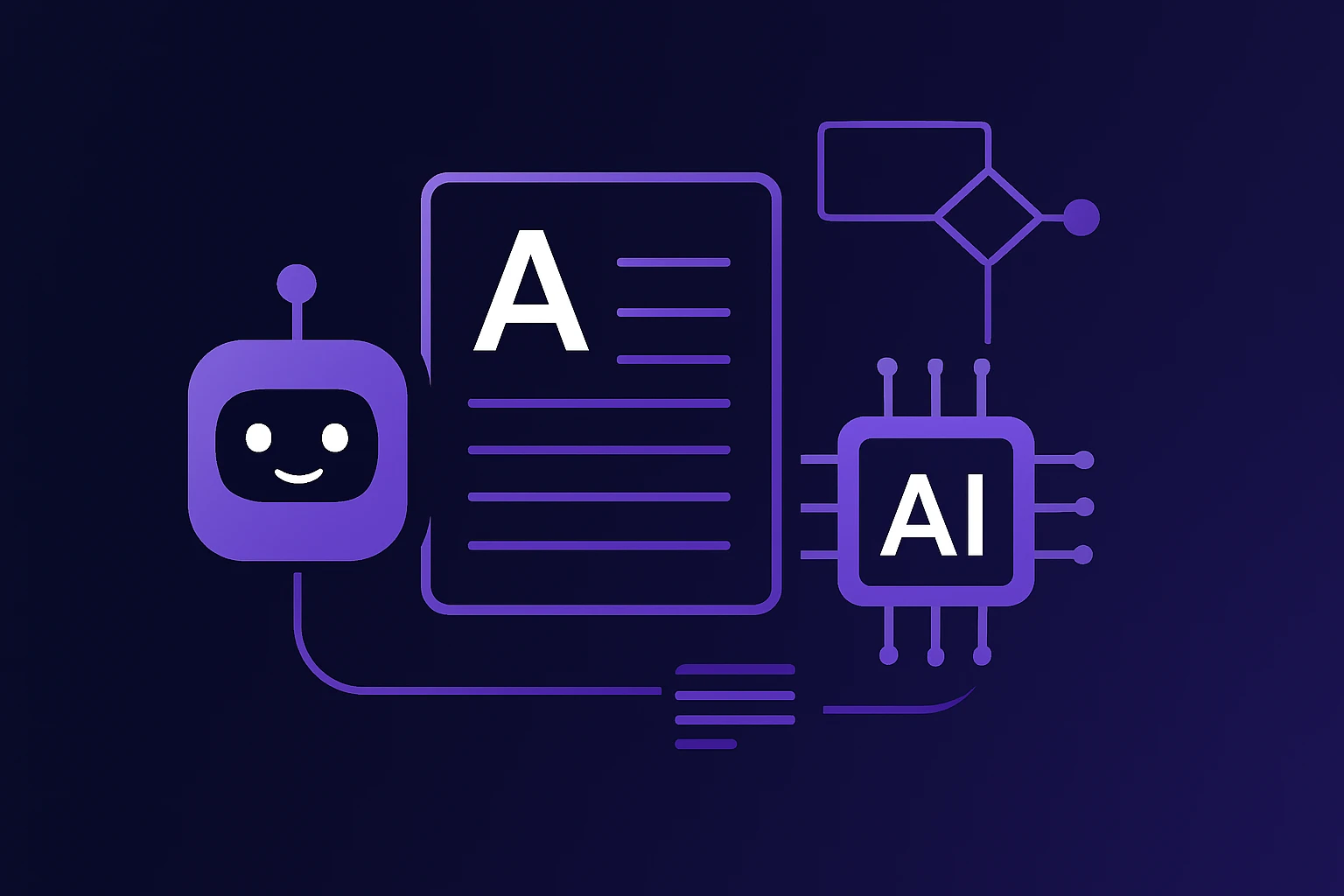
AI blog production is moving beyond isolated prompts and toward coordinated systems that can manage repeatable work. In 2026, OpenAI explicitly framed workspace agents as tools for repeatable workflows, including content creation tasks such as creating or updating content for a specific audience or ...