Artificial Intelligence (AI) has rapidly transformed the way we interact with technology. One of the most groundbreaking advancements within this domain is the concept of AI agents. These intelligent programs are increasingly shaping how tasks are automated, decisions are made, and human lives are enhanced by technology on a daily basis.
But what exactly are AI agents? How do they differ from traditional software, and why are they so important in today’s digital landscape? To answer these questions, it’s crucial to delve into the definition, basic principles, types, functions, applications, and future prospects of AI agents.
What Is an AI Agent?
An AI agent can be defined as a computer system capable of perceiving its environment, processing information, and taking actions to achieve specific goals. Unlike conventional programs that follow strict sequences of instructions, AI agents are designed to act autonomously and adapt based on the data they receive.
The term "agent" refers to an entity that acts on behalf of a user or another program. In the context of AI, an agent’s intelligence stems from algorithms and models that allow it to interpret information, make decisions, and learn from outcomes. This autonomy and adaptability set AI agents apart from other forms of automation.
These agents use sensors to gather data from their environment, process this input through their AI models or algorithms, and effect change through actuators or outputs. Their ability to operate with minimal human intervention makes them vital for advanced technological processes.
Core Components of AI Agents
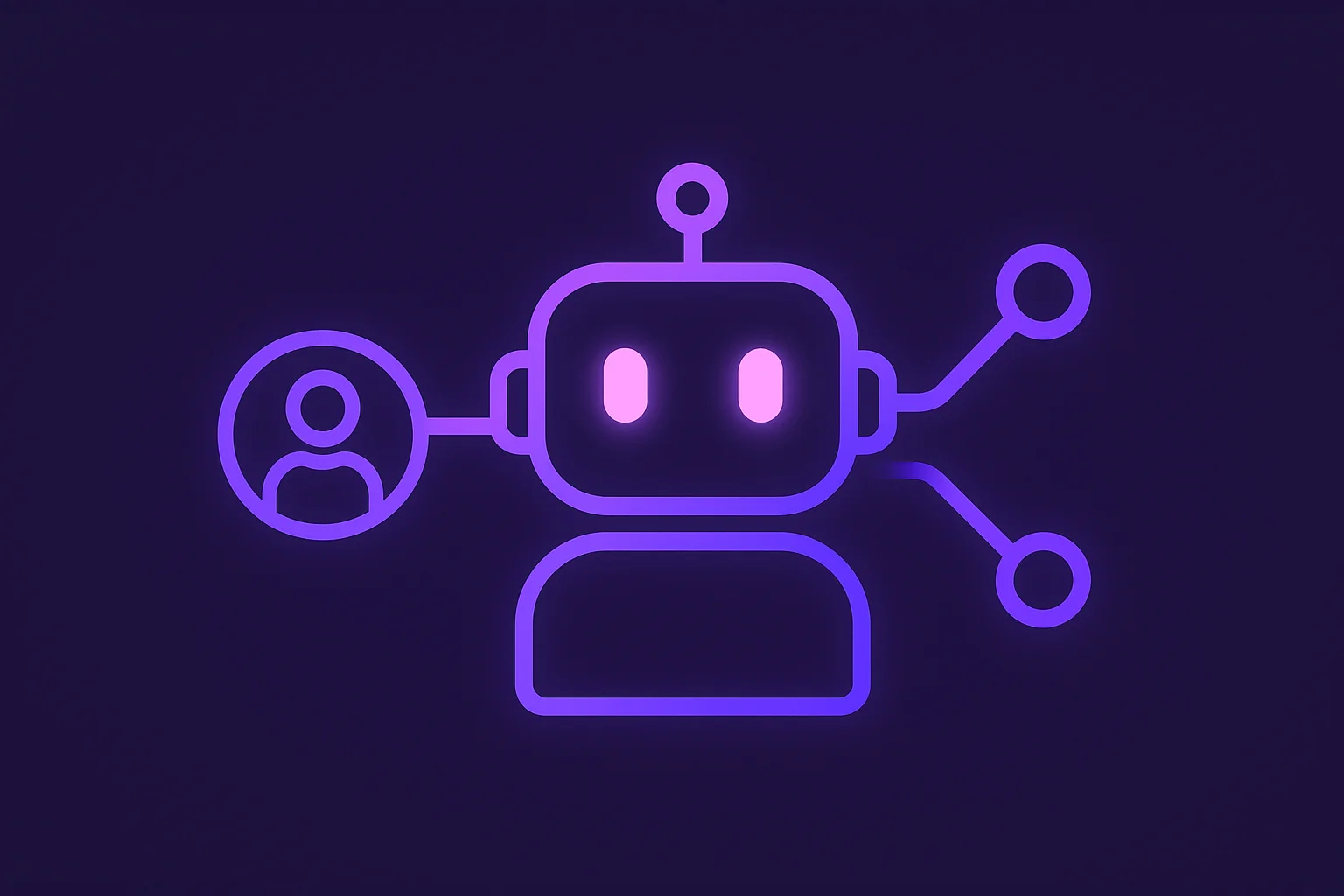
Every AI agent consists of several core components that enable its intelligent behavior. The primary components typically include sensors to perceive the environment, a reasoning engine or model to process information, and actuators to interact with the environment or users.
Sensors are the tools through which an AI agent gathers information. These could be cameras, microphones, web APIs, or even network traffic monitors, depending on the agent’s domain. The richer and more accurate the sensory input, the better an agent can understand its surroundings.
The reasoning engine is where the actual intelligence lies. Here, the agent evaluates its perceptions, plans strategies, and makes decisions. Actuators then allow the agent to perform actions, whether it’s generating a response in natural language, moving a robot arm, or sending a notification.
Types of AI Agents
AI agents come in various forms, each designed to fulfill specific roles and levels of complexity. Simple reflex agents respond directly to stimuli with predefined actions, making them suitable for predictable environments with clear rules.
Model-based agents, on the other hand, maintain an internal representation of the world, allowing for more flexible and informed decision-making. As the complexity increases, goal-based agents and utility-based agents emerge, each handling objectives and evaluating possible actions based on their expected usefulness or rewards.
Finally, learning agents continually improve their performance by leveraging past experiences. These agents form the backbone of modern machine learning systems, adapting and optimizing their actions over time without explicit programming for every scenario.
How Do AI Agents Work?
The functionality of AI agents can be viewed as a continuous loop, perception, reasoning, action, and learning. The agent first senses its environment, either through hardware or data sources, and interprets this information using its algorithms.
Based on its design, the agent determines the best course of action to achieve its goals. For example, a virtual assistant agent might recognize a calendar conflict and suggest a new meeting time, while a robotic agent might navigate around obstacles to reach a target location.
Many agents also incorporate feedback loops, allowing them to refine their strategies with every interaction. This learning capability is what allows AI agents to become more effective and responsive over time.
Applications of AI Agents
AI agents are at the heart of many of today’s most innovative technologies. Virtual assistants like Siri, Alexa, and Google Assistant are classic examples, using natural language processing and adaptive reasoning to help users manage tasks.
Robotics is another field where AI agents play a crucial role. Autonomous drones, self-driving cars, and warehouse robots all rely on agent-based architectures to interpret sensory data and make real-time decisions in complex environments.
In finance, healthcare, customer service, and entertainment, AI agents are used for automation, personalization, diagnostics, and dynamic content generation, demonstrating their versatility and transformative potential.
Challenges and Ethical Considerations
Despite their advantages, the deployment of AI agents raises several challenges. Ensuring reliability and predictability is essential, especially in sensitive applications like healthcare or transportation, where errors can have serious consequences.
Another significant concern is transparency. Users and regulators demand to know how decisions are made, particularly when AI agents impact lives and livelihoods. This has led to increased calls for explainable AI and accountability frameworks.
Finally, ethical considerations such as privacy, bias, and security must be addressed. Developers and organizations must ensure that AI agents respect user data, avoid unfair discrimination, and are protected against malicious attacks.
The Future of AI Agents
The future of AI agents is both promising and challenging. Advances in machine learning, natural language processing, and computing power are expected to further enhance their capabilities, enabling even greater autonomy and usefulness.
As these systems become more integrated into daily life, it is likely that AI agents will move beyond simple assistants to become collaborators, partners, and even decision-makers in complex domains such as science, law, and industry.
However, realizing this potential will require continued research, robust ethical standards, and an ongoing commitment to balancing innovation with responsibility.
In summary, AI agents are intelligent systems capable of perceiving, reasoning, and acting autonomously in pursuit of defined objectives. Their ability to adapt and learn from experience sets them apart from traditional software, making them essential for the future of technology-driven societies.
As research and development continue, the opportunities, and responsibilities, associated with AI agents will only grow. Understanding their nature, applications, and challenges is essential for anyone engaging with modern technology, whether as a developer, user, or policymaker.