

Artificial intelligence, once a realm of science fiction and academic research, has demonstrably matured into a foundational technology. Its evolution from rudimentary expert systems to sophisticated neural networks capable of learning, reasoning, and even creating, marks a significant turning point in technological history. This maturation is not merely about increased computational power or more complex algorithms; it reflects a deeper integration of AI into the fabric of daily life and industry.
This phase of maturity is characterized by a shift from speculative potential to tangible impact. AI is no longer a distant promise but a present reality, driving innovation across countless sectors and reshaping the way businesses operate and how individuals interact with technology. The challenges and opportunities presented by this advanced state of AI are profound, demanding a careful consideration of its ethical implications, economic shifts, and societal integration.
From Niche to Ubiquitous
The journey of artificial intelligence from a specialized academic discipline to a pervasive force has been remarkable. Initially confined to highly specific tasks and research labs, AI technologies are now embedded in everyday applications, often unnoticed by the end-user. From personalized recommendations on streaming platforms to voice assistants in our smartphones, AI operates in the background, making our digital interactions smoother and more intuitive.
This ubiquity is a testament to AI's growing reliability and efficiency. Businesses across diverse sectors, from retail to healthcare, are leveraging AI to automate processes, gain insights from vast datasets, and enhance customer experiences. This widespread adoption signifies a critical leap, indicating that AI is no longer an experimental tool but a proven asset for operational excellence and strategic growth.
Furthermore, the accessibility of AI tools and platforms, including open-source libraries and cloud-based services, has democratized its development and deployment. This has empowered smaller businesses and individual developers to integrate AI capabilities without requiring massive upfront investments, accelerating its penetration into new markets and applications globally.
The Rise of Advanced Capabilities
A hallmark of AI's maturity is the emergence of highly sophisticated capabilities, particularly in areas like natural language processing (NLP) and computer vision. Large Language Models (LLMs) have revolutionized text generation, summarization, and translation, enabling machines to understand and produce human-like language with unprecedented fluency. This has opened doors for more natural human-computer interaction and content creation at scale.
Beyond language, generative AI, capable of creating novel images, music, and even video, showcases AI's transition from analysis to synthesis. These models learn complex patterns from existing data to generate entirely new and often remarkably creative outputs. This generative capacity has profound implications for industries like design, entertainment, and marketing, fostering new avenues for innovation and personalized content.
The advancements extend to complex problem-solving, with AI systems demonstrating superior performance in fields like drug discovery, material science, and financial modeling. Their ability to process vast amounts of data, identify subtle correlations, and simulate outcomes at speeds impossible for humans is accelerating research and development cycles across numerous scientific and engineering disciplines.
Ethical Considerations and Governance
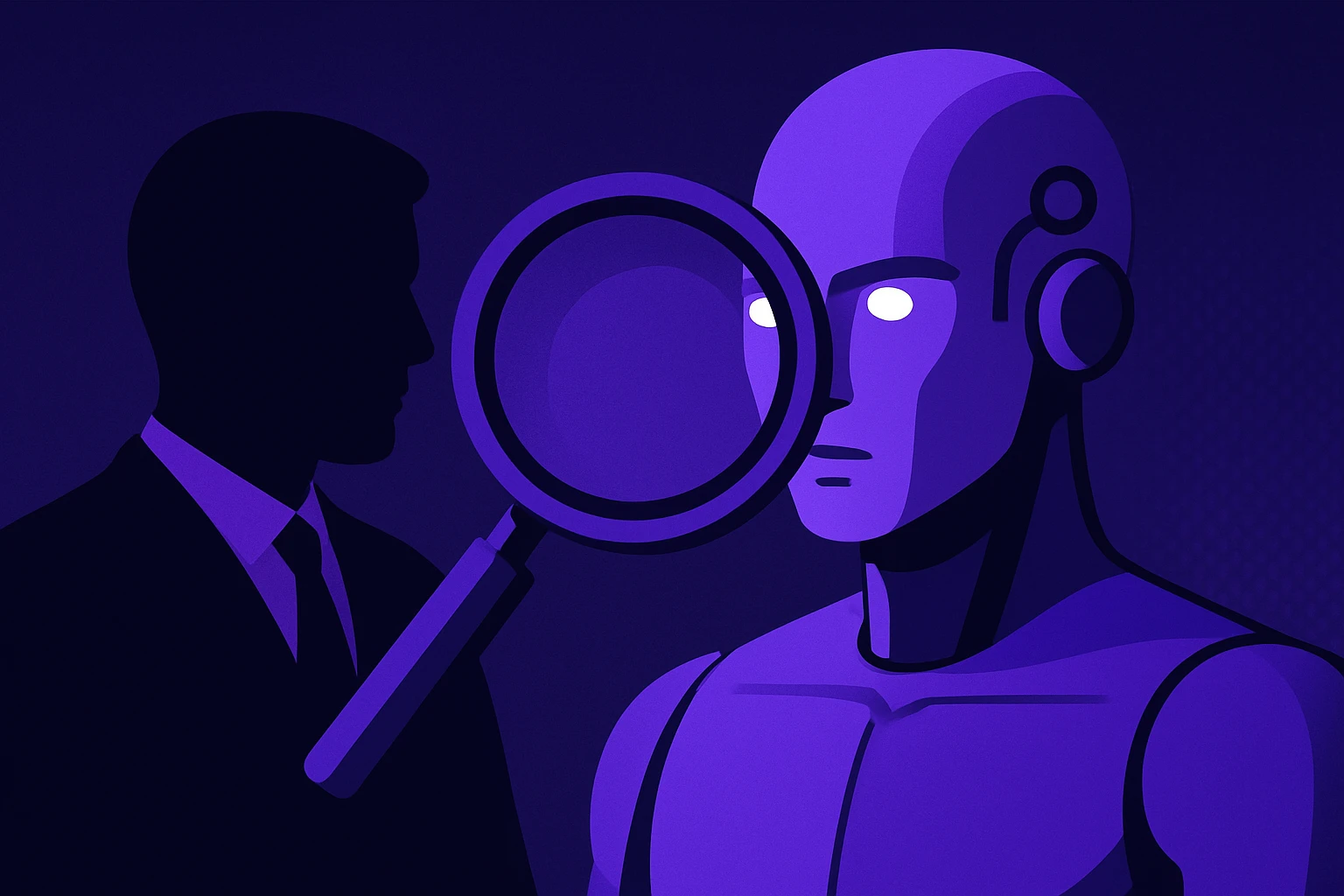
As artificial intelligence matures, so too does the imperative to address its ethical implications and establish robust governance frameworks. Concerns regarding data privacy, algorithmic bias, transparency, and accountability are taking center stage. The potential for AI systems to perpetuate or even amplify societal biases present in training data necessitates careful design and ongoing auditing to ensure fairness and equity.
Governments and international bodies are actively exploring regulations and guidelines to manage the responsible development and deployment of AI. Discussions around AI ethics now encompass concepts like 'explainable AI' (XAI), aiming to make AI decision-making processes more transparent and understandable to human operators, thereby fostering trust and enabling better oversight.
The conversation also includes the societal impact of AI on employment, human autonomy, and potential misuse. Establishing clear ethical principles and legal frameworks is crucial to harness AI's benefits while mitigating its risks, ensuring that its powerful capabilities are used for the betterment of humanity rather than its detriment.
AI in Industry Transformation
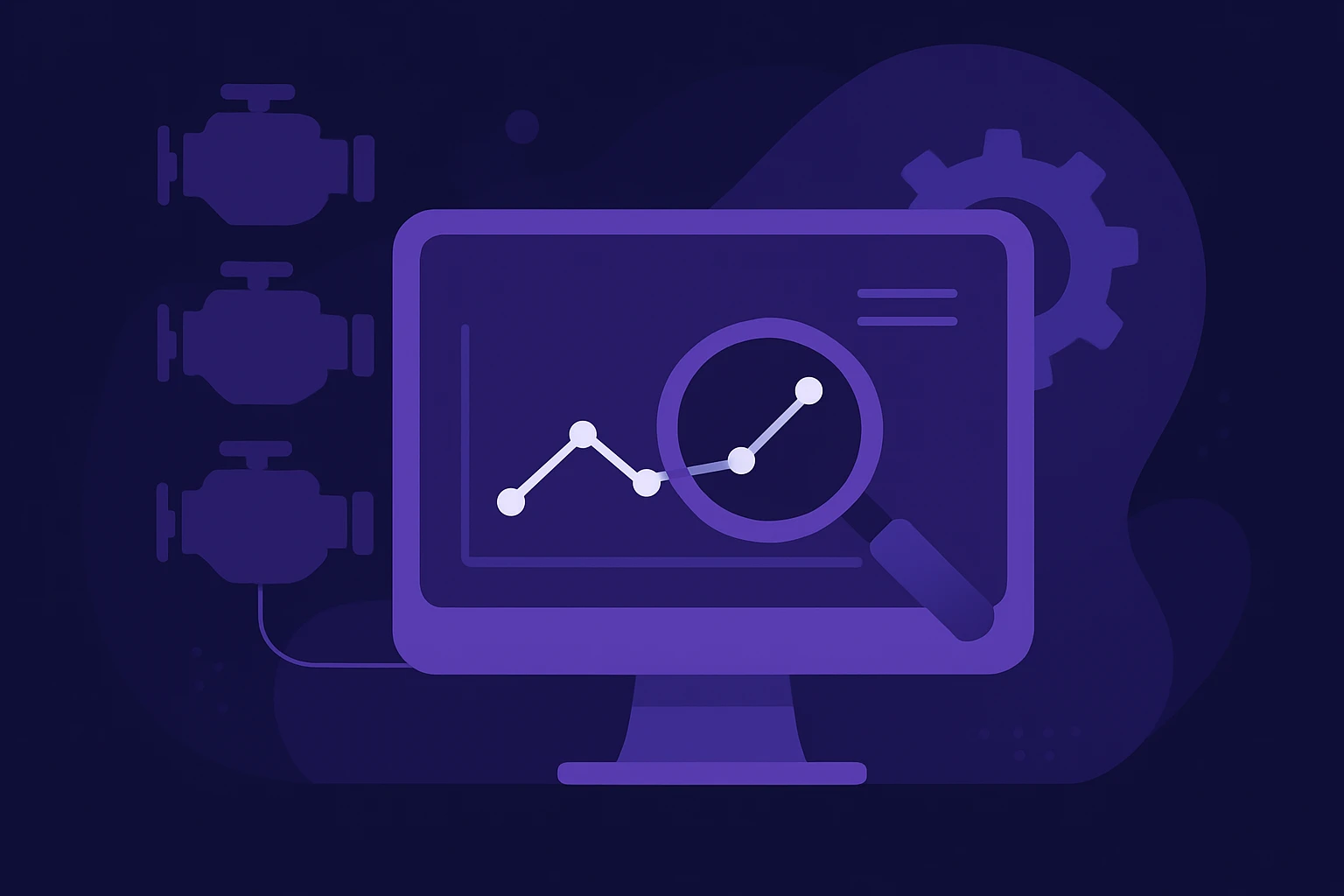
The mature state of artificial intelligence is fundamentally transforming industries, moving beyond mere efficiency gains to redefine business models and competitive landscapes. In manufacturing, AI-powered robotics and predictive maintenance are optimizing production lines, reducing downtime, and improving product quality. The logistics sector benefits from AI-driven route optimization and inventory management, leading to more resilient supply chains.
Healthcare is undergoing a significant revolution, with AI assisting in diagnostics, personalized treatment plans, and accelerating drug discovery. AI algorithms can analyze medical images with high accuracy, identify patterns in patient data, and even predict disease outbreaks, thereby enhancing patient care and operational efficiency within healthcare systems.
The financial services industry utilizes AI for fraud detection, risk assessment, and algorithmic trading, improving security and profitability. Customer service is being redefined by AI-powered chatbots and virtual assistants that provide instant support and personalized interactions, freeing human agents to focus on more complex issues. This widespread industrial adoption underscores AI's proven value proposition and its role as a key driver of future economic growth.
Human-AI Collaboration
A critical aspect of AI's maturity is the evolving relationship between humans and AI. The narrative is shifting from AI replacing human jobs to AI augmenting human capabilities. Instead of viewing AI as a competitor, organizations are increasingly recognizing its potential as a powerful tool that enhances human productivity, creativity, and decision-making.
This collaborative paradigm, often termed 'human-in-the-loop' or 'human-AI teaming,' emphasizes leveraging the unique strengths of both. AI excels at processing vast amounts of data, identifying patterns, and performing repetitive tasks with speed and accuracy. Humans, on the other hand, bring creativity, emotional intelligence, critical thinking, and contextual understanding that AI currently lacks.
The future workforce will likely see individuals working alongside AI systems, with AI handling routine tasks and providing insights, while humans focus on strategic thinking, problem-solving, and interpersonal interactions. This synergy promises to unlock new levels of efficiency and innovation across professions, leading to new job roles and skill requirements.
The Road A: Continued Evolution
Despite its current level of maturity, artificial intelligence is far from reaching its peak. The field continues to evolve at a rapid pace, with ongoing research into areas like artificial general intelligence (AGI), which aims to develop AI systems with human-level cognitive abilities across a broad range of tasks, and neuromorphic computing, inspired by the human brain's structure and function.
Future advancements are expected in areas such as more robust and explainable AI, enabling greater trust and easier integration into critical applications. The convergence of AI with other emerging technologies like quantum computing and biotechnology also promises to unlock capabilities that are currently unimaginable, pushing the boundaries of what machines can achieve.
Navigating this continued evolution will require ongoing investment in research, adaptive regulatory frameworks, and a commitment to ethical development. The mature AI of today serves as a powerful foundation, but the journey towards more intelligent, intuitive, and beneficial AI systems is still very much in progress, promising a future shaped by ever-increasing computational intelligence.
In conclusion, artificial intelligence has definitively transitioned from an emerging technology to a mature and integral component of modern society. Its pervasive applications, advanced capabilities, and transformative impact across industries underscore its profound influence. This maturation signals not an end point, but a new phase in its development, characterized by widespread adoption and deeper integration into human endeavors.
The ongoing challenge lies in responsibly harnessing its power, addressing the complex ethical and societal questions it raises, and fostering a collaborative future where AI serves as an extension of human potential. As AI continues its remarkable evolution, its role in shaping the future of work, economy, and daily life will only grow, demanding continuous adaptation and thoughtful engagement from all stakeholders.