

Artificial intelligence tools have rapidly evolved, transforming how we interact with information and automate tasks. Among the leading AI platforms in the world today are Perplexity AI and ChatGPT, both designed to assist users with diverse queries and functions. Many individuals, professionals, and businesses are now asking: which of these powerful tools comes out on top?
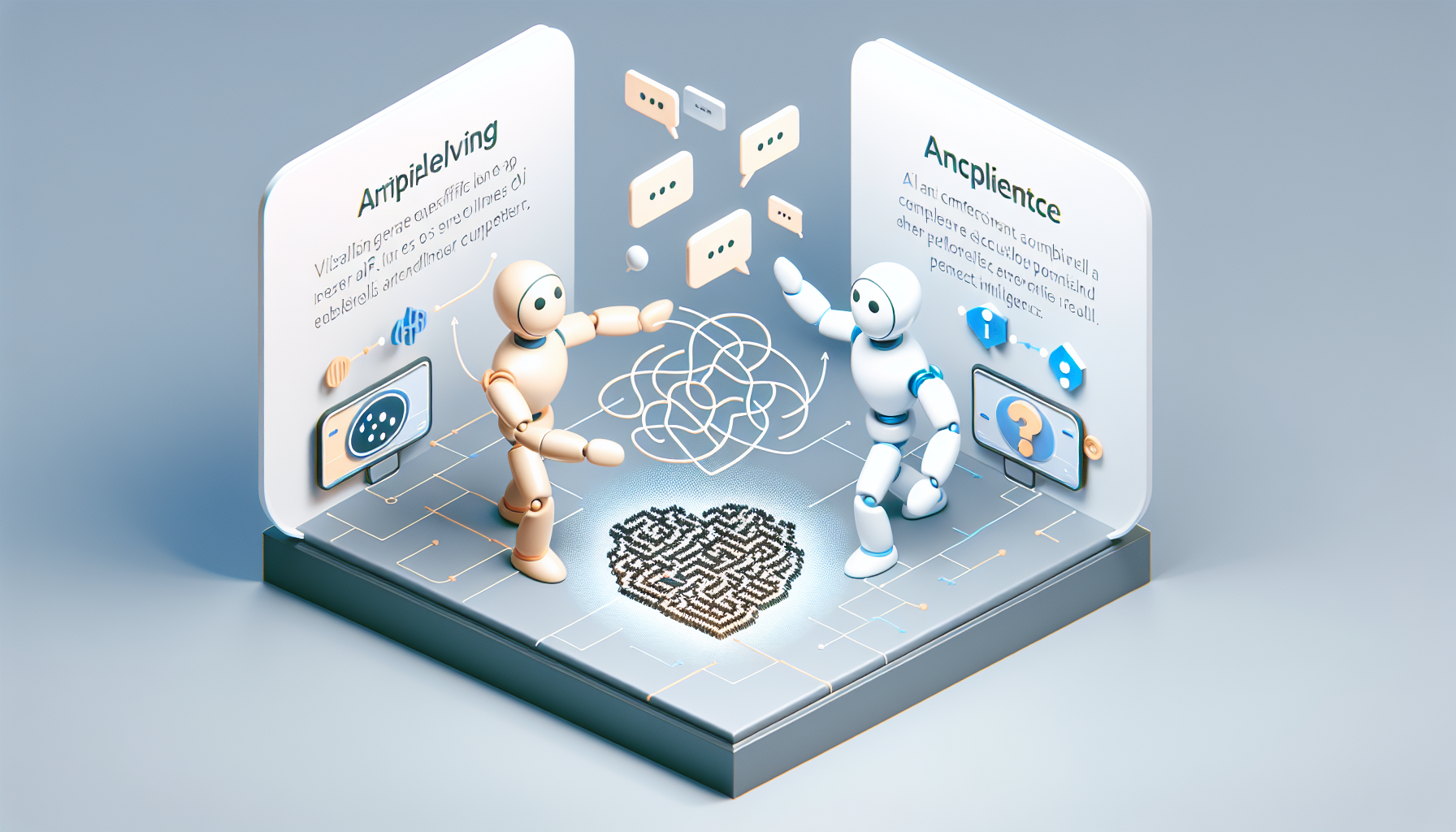
This article delves into an in-depth comparison between Perplexity AI and ChatGPT, highlighting their features, strengths, user experience, and specific use cases. By exploring the details of each tool, you can determine which AI assistant is best suited to your personal or organizational needs.
Understanding Perplexity AI
Perplexity AI is an advanced conversational assistant that focuses on providing accurate, real-time answers to user questions by accessing current data from the web. Its main aim is to deliver precise and up-to-date information, making it ideal for research-oriented applications. Unlike traditional chatbots, Perplexity AI often includes source links and summarizes content from its findings, improving transparency and credibility.
The strength of Perplexity AI lies in its ability to fetch live information and cite reputable sources directly within its responses. This feature is particularly valuable for users seeking trustworthy answers or academic references. In addition, Perplexity AI emphasizes concise yet comprehensive replies, reducing information overload while maintaining clarity.
Another notable aspect of Perplexity AI is its continuous learning mechanism. By analyzing user interactions and incorporating feedback, the system enhances its performance over time. Its focus on reliability and accuracy positions it as a solid choice for fact-based research and professional environments that demand credible information.
Exploring ChatGPT
ChatGPT, developed by OpenAI, has quickly garnered a massive user base due to its versatility and conversational abilities. It leverages powerful language models (notably GPT-3 and GPT-4) to generate coherent, context-aware, and often creative responses across numerous topics. Its natural language competency makes it suitable for casual conversation, brainstorming sessions, content creation, and customer support.
Unlike Perplexity AI, ChatGPT’s primary strength lies in its deep understanding of context and the ability to emulate human-like conversations. Users can engage with ChatGPT over extended dialogues, making it ideal for situations requiring nuanced discussion or exploration of ideas. Its adaptability allows it to serve as a writing aid, tutor, sparring partner, or even a coding assistant.
However, ChatGPT’s knowledge base typically has a cutoff date, meaning it may not provide real-time updates unless integrated with external plugins or browsing tools. Despite this limitation, its capacity to tailor responses creatively and maintain context over lengthy interactions makes it favored among writers, developers, and educators.
User Experience and Interface
User experience plays a significant role in determining the effectiveness and appeal of any AI tool. Perplexity AI offers a streamlined, search-engine style interface, encouraging users to input queries similarly to how they would with Google or Bing. The responses are concise and accompanied by direct citations, which benefits those looking for quick, authoritative answers.
On the other hand, ChatGPT provides a chat-based interface where conversations can unfold naturally. This format encourages back-and-forth dialogue and makes the tool feel more like a personal assistant or conversation partner. The intuitive design supports various interaction styles, accommodating both short inquiries and longer discussions.
Both platforms prioritize ease-of-use, but their interfaces cater to different preferences. Perplexity AI is better suited for users accustomed to search engines, while ChatGPT appeals to those who value interactive, conversational exchanges with AI.
Accuracy and Up-to-Date Information
For many users, the accuracy and currency of information are vital. Perplexity AI’s integration with real-time web sources gives it an edge in providing the latest data and news. It consistently updates its answers and references recognized publications and websites, which increases user trust, particularly in fast-changing fields such as technology, finance, or medicine.
ChatGPT, without internet access, mainly draws upon its training data, which might be a few months or years out of date depending on the version used. Although OpenAI occasionally updates its models, the information presented can risk being outdated. However, newer iterations and integrations with browsing or plugin functionalities strive to address this gap.
When precise, timely answers are necessary, especially for research or news-related inquiries, Perplexity AI tends to outperform ChatGPT. Conversely, for broader, conceptual, or creative tasks, ChatGPT’s depth and versatility may compensate for its lack of real-time data.
Customization and Integration Capabilities
Another critical consideration is how well the AI can be customized or integrated into workflows. Perplexity AI is generally used through its web interface, presenting fewer customization options for large-scale business or developer use. However, its reliability in delivering factual answers makes it valuable in specific settings, like academic research or journalism.
ChatGPT, in contrast, offers APIs and extensive integration possibilities. Businesses can embed ChatGPT into their services, develop custom bots, or use it for automation, content moderation, and more. Its open architecture and large community of developers enable it to evolve rapidly, keeping pace with specialized demands across industries.
For organizations seeking a flexible, programmable AI solution, ChatGPT stands out as the more adaptable candidate. Those requiring a plug-and-play, fact-focused tool may find Perplexity AI’s simplicity and reliability more suitable to their objectives.
Pricing and Accessibility
Cost and accessibility often influence user choices. Both Perplexity AI and ChatGPT offer free versions with basic capabilities, allowing users to test and evaluate their features before committing to paid plans. Premium versions of both tools unlock enhanced capabilities, such as faster response times, access to advanced models, and higher usage limits.
ChatGPT’s subscription model (such as ChatGPT Plus) provides priority access to the latest language models and improved uptime. Perplexity AI also offers paid tiers, which may include unlimited searches or advanced features tailored for enterprise users.
Ultimately, both tools are accessible to broad audiences, but users will need to consider the specific features, limits, and pricing structures that best fit their needs before making a decision.
Best Use Cases for Each Tool
Determining which AI tool is best depends largely on the intended use case. Perplexity AI shines for direct question answering, research tasks, citation needs, and any scenario where reliability and up-to-date reporting are essential. It caters to academics, journalists, and professionals who prioritize accurate, sourced responses above all else.
ChatGPT excels in creative writing, extended conversations, ideation, language tutoring, and situations that benefit from a more human-like dialogue. Developers and businesses also favor ChatGPT for its seamless integration and robust APIs, making it a versatile asset in diverse digital environments.
While there is some overlap, each tool brings a unique set of strengths to the table. Evaluating the nature of your queries and the degree of interaction needed will help determine which is likely to serve you best.
In summary, Perplexity AI and ChatGPT are both formidable AI assistants with distinct advantages. The choice hinges on what you value most: up-to-date, sourced information or rich, dynamic conversation and integration potential.
As artificial intelligence continues to advance, we can expect both platforms to expand their capabilities, further blurring the lines between search engines and conversational agents. For now, understanding your specific requirements will guide you to the AI tool that aligns best with your goals and workflow.