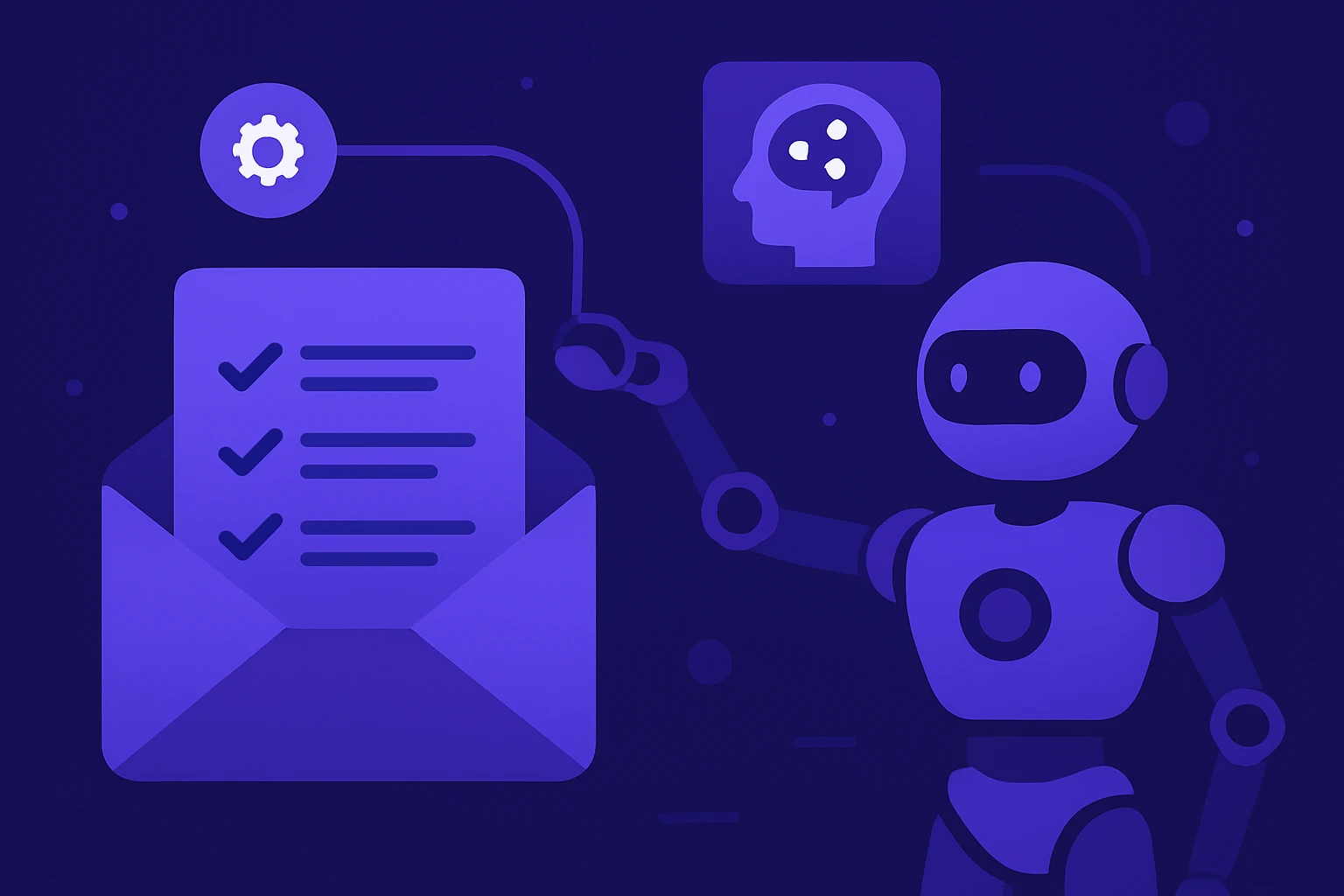
Automate post triage with AI agents
Customer service teams are under pressure to move faster without sacrificing quality, and that is exactly why AI triage is becoming foundational. Instead of asking human agents to manually read every incoming post, ticket, or inbox message, organizations are increasingly using AI agents to classify,...

Opus 4.7 limits cyber use after Mythos
Anthropic’s release of Opus 4.7 marks an unusual moment in frontier AI: a model presented as stronger in broad capabilities while being deliberately narrower in one especially sensitive area. After the limited release of Mythos Preview, the company chose Opus 4.7 as the first post-Mythos model to sh...

Win AI citation slots
AI citation slots have quickly become one of the most valuable forms of digital visibility. In 2026, the objective is no longer limited to ranking blue links in classic search results. Generative engine optimization now focuses on helping brands get cited, recommended, or mentioned by systems such a...

Macs get native Gemini app
Google has officially brought Gemini to macOS with a native desktop app, marking a notable step in the company’s effort to make its AI assistant more deeply embedded in everyday computing. On April 16, 2026, Google announced that “the Gemini app is now on Mac,” confirming that Mac users can now acce...

Scale SEO testing with agentic workflows
SEO teams have wanted faster, safer experimentation for years, but the tooling and data infrastructure were often too fragmented to support it at scale. That is changing quickly. Today, scale SEO testing with agentic workflows is no longer a futuristic concept; it is becoming a practical operating m...

EU delays high-risk AI deadlines
The European Union is not abandoning its flagship AI law, but it is clearly recalibrating one of its most demanding parts. As of mid-April 2026, EU institutions are formally moving to delay the AI Act deadlines for high-risk AI systems, shifting the compliance timetable beyond the original 2 August ...

Protect SEO from AI overviews
AI Overviews have moved from a limited experiment to a permanent layer of Google Search. Google said in 2025 that AI Overviews had expanded to more than 200 countries and territories and over 40 languages, and that the feature is used by more than 1 billion people. For publishers, that scale changes...
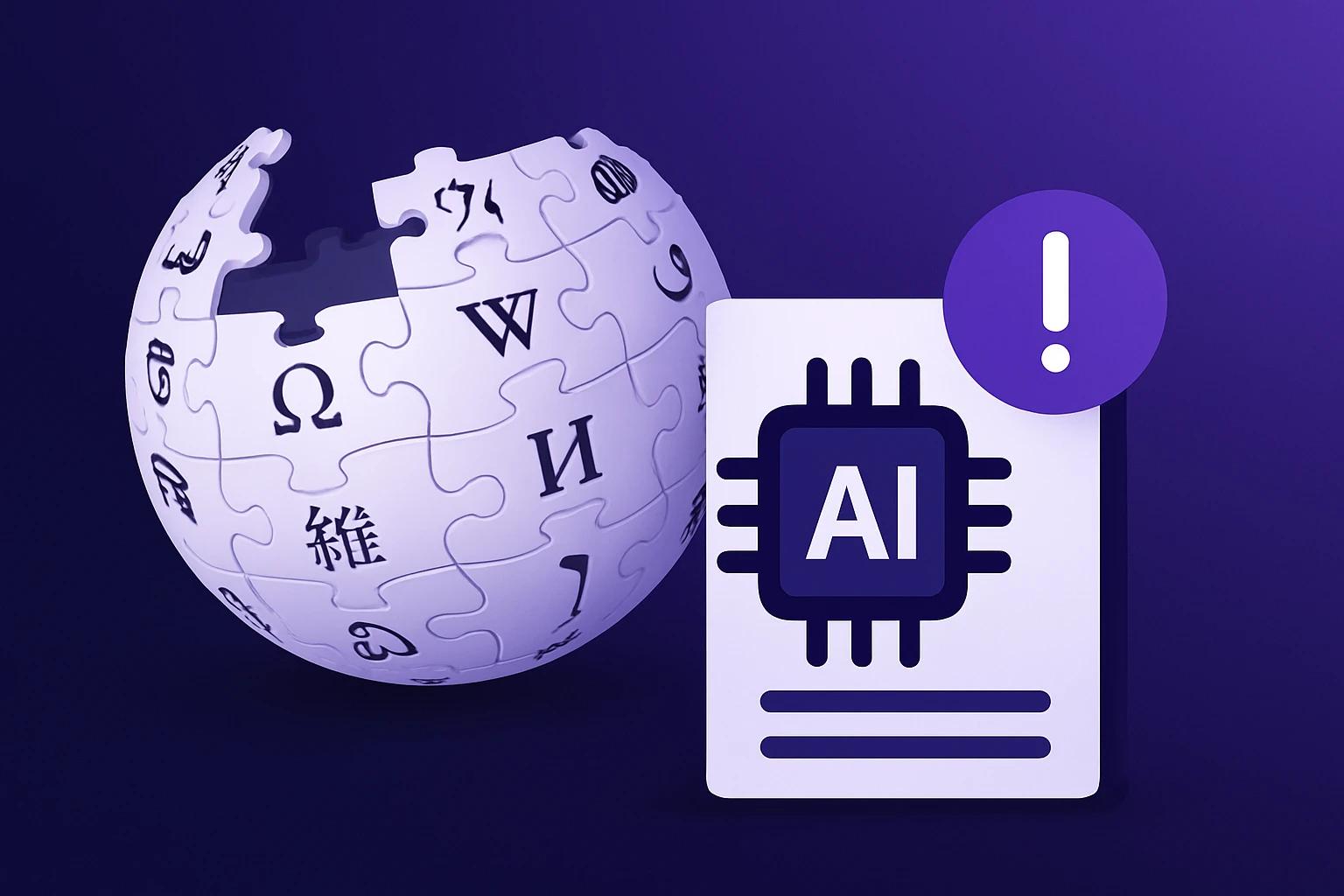
Wikipedia limits AI-written content
Wikipedia has taken a decisive step in the debate over generative AI and online knowledge. In March 2026, the English Wikipedia community formally restricted the use of AI-written article text, barring editors from using large language models to generate or rewrite encyclopedia content. The rule inc...
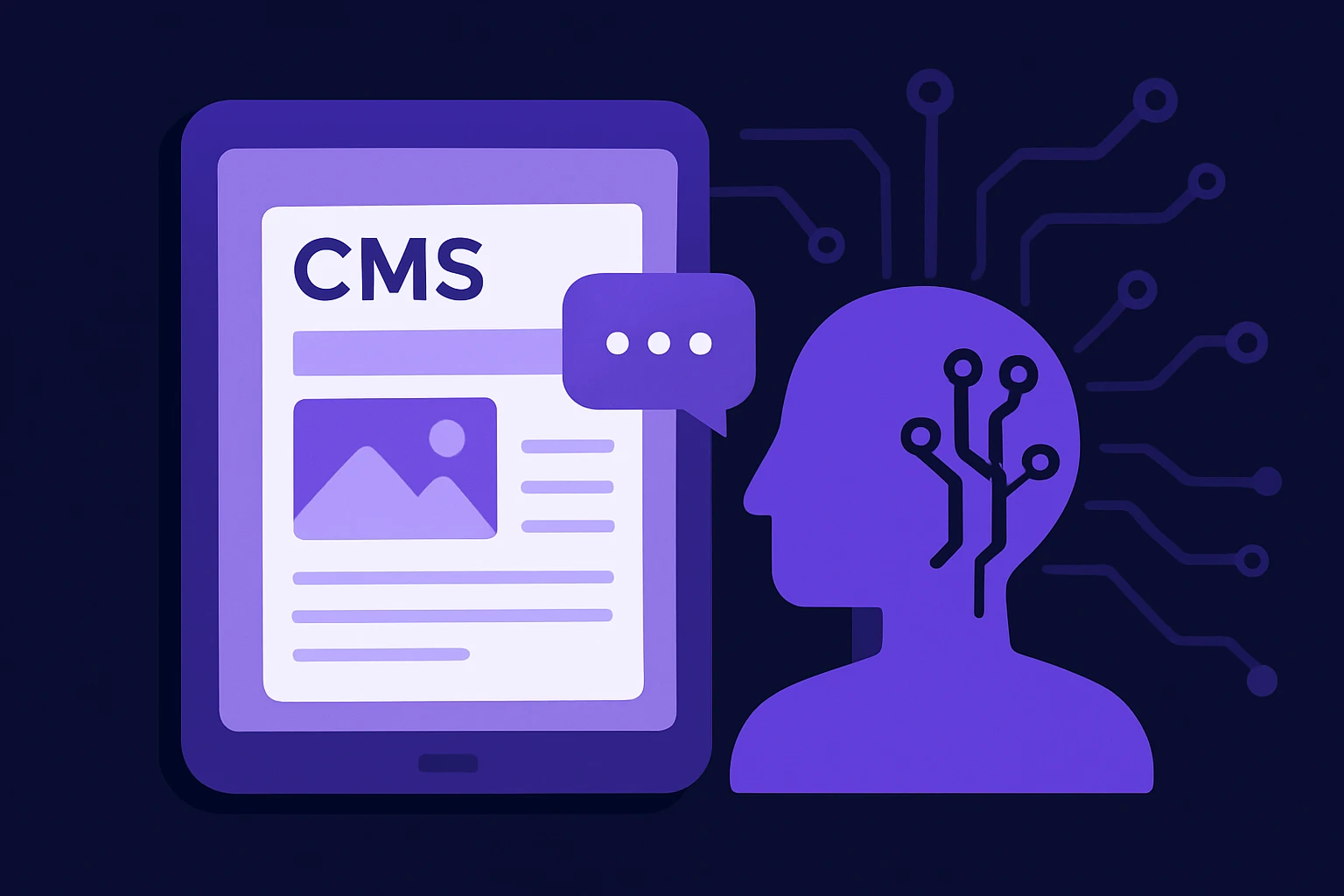
Prepare your CMS for AI agents
AI agents are no longer a future scenario for CMS teams; they are already browsing, summarizing, citing, and sometimes interacting with websites directly. As OpenAI put it, “ChatGPT can now search the web in a much better way than before,” while browser-based agents can type, click, and scroll throu...